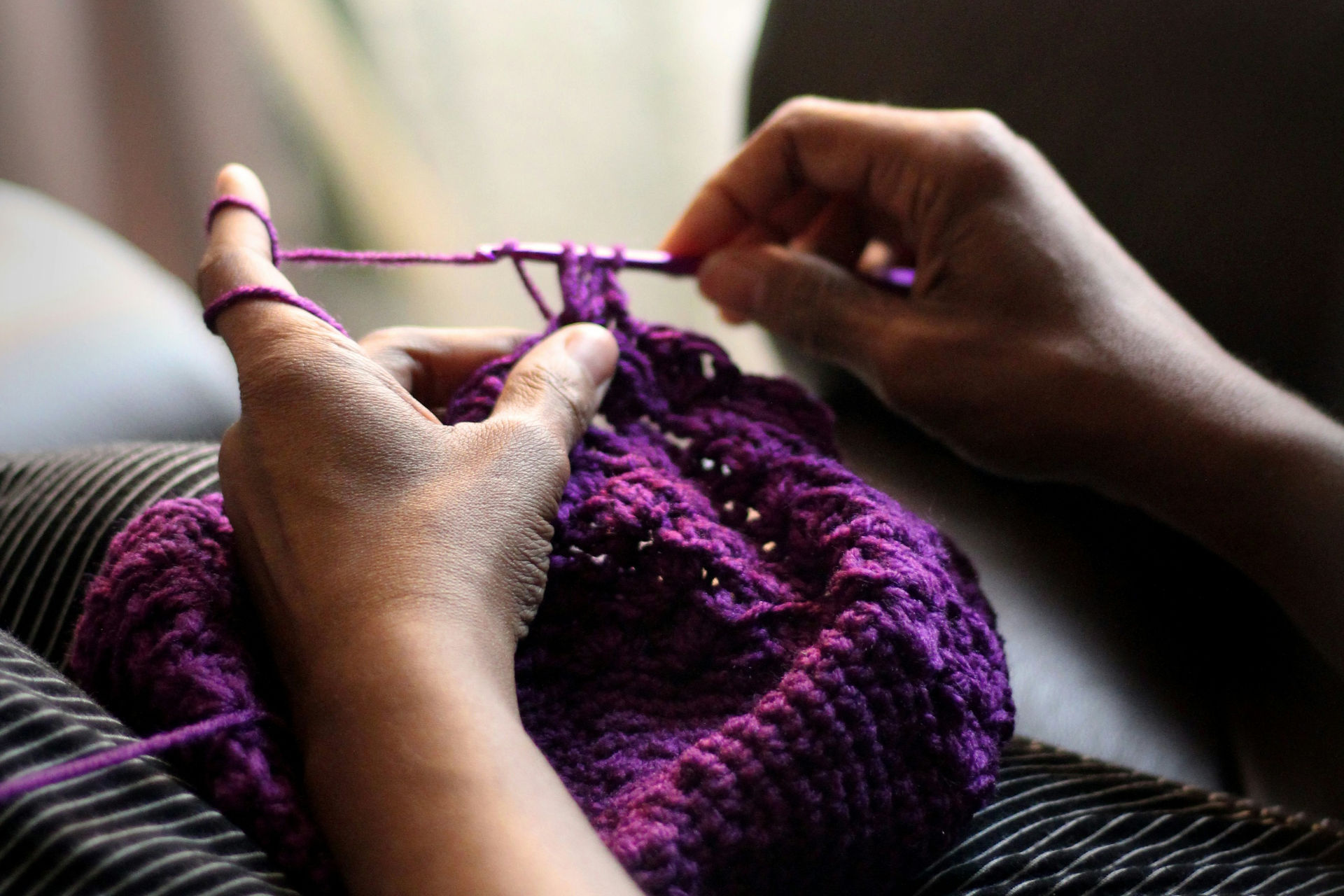
“Knit together”
God settles in for the evening,
radio on and the latest project to hand —
God settles in for the evening,
radio on and the latest project to hand —

You who imagine ‘Here Be Dragons’ beyond \ these shores \ to set St George against himself

St George stares out of the hotel window. / His ears are filled with sun, / family, orange trees and childhood.
Compose yourself in the scene
in first century Judea
seek justice
and you hold
a seashell to your ear
Some of our conversations have become songs — delight, appeal, lament, contentment with a job well done
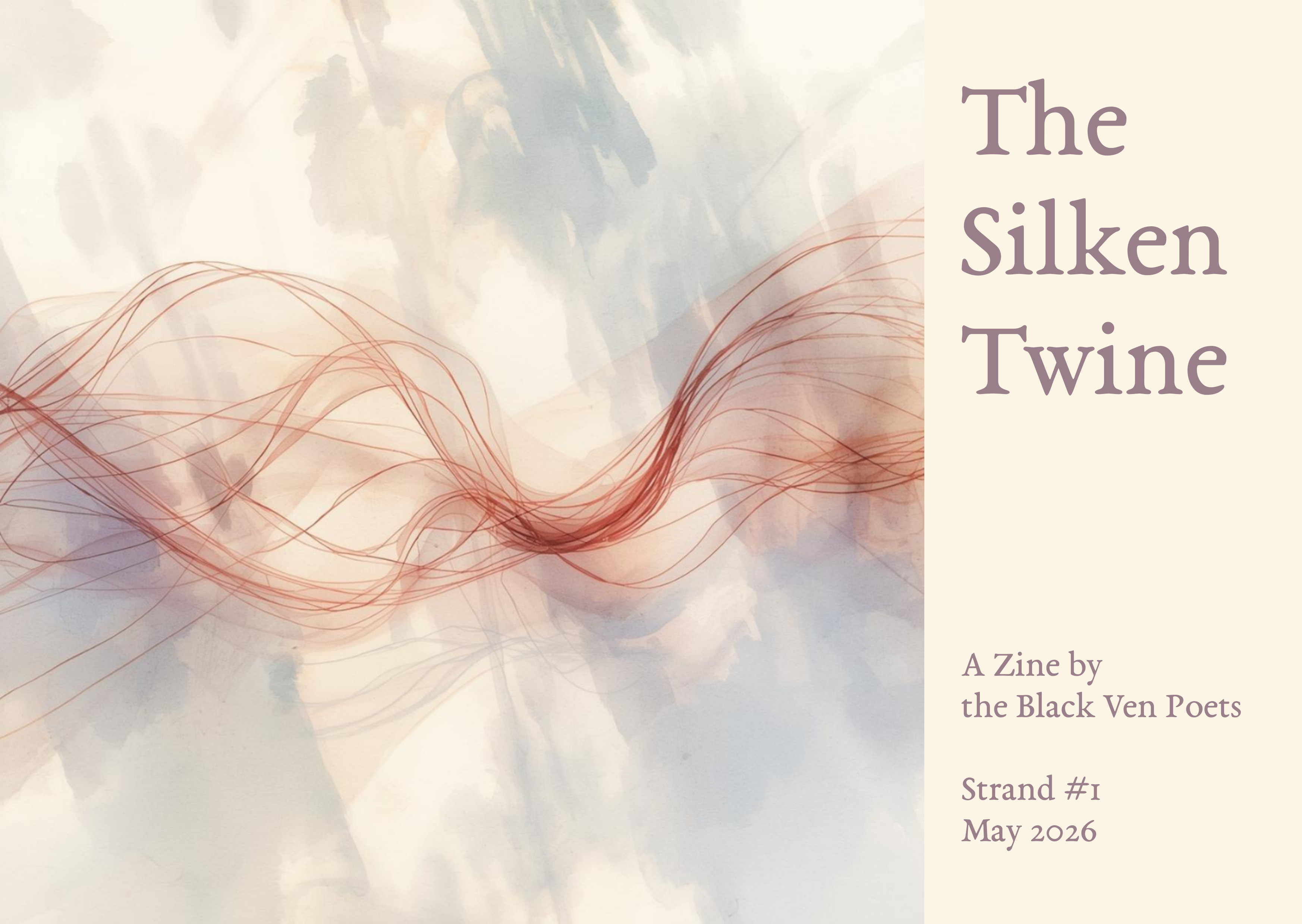
The very first issue of The Silken Twine, by the poets of the Black Ven (Exeter) Stanza of the Poetry Society.
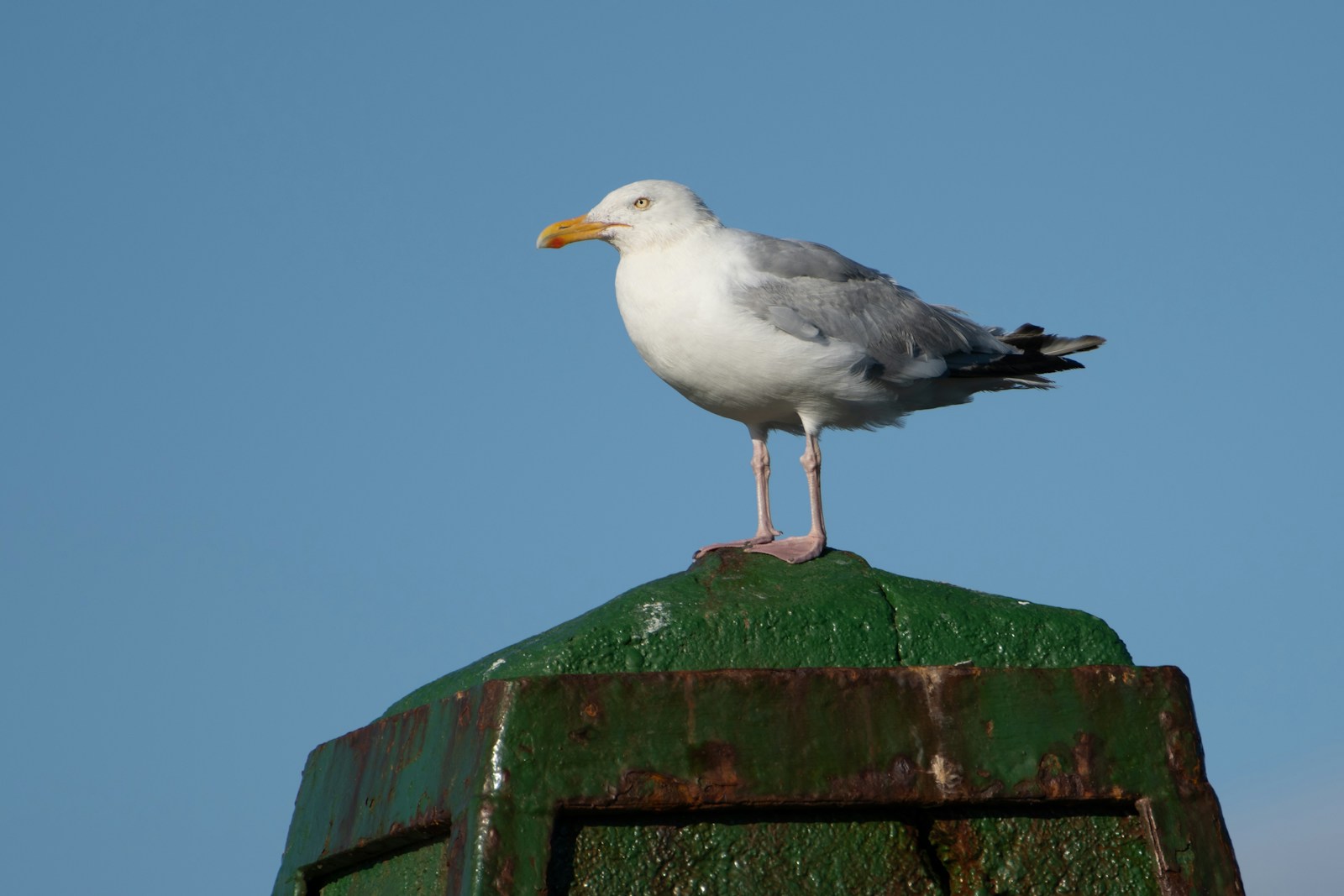
Celebrating the artist Veronica Gosling, 10 May 1931 – 20 November 2025.
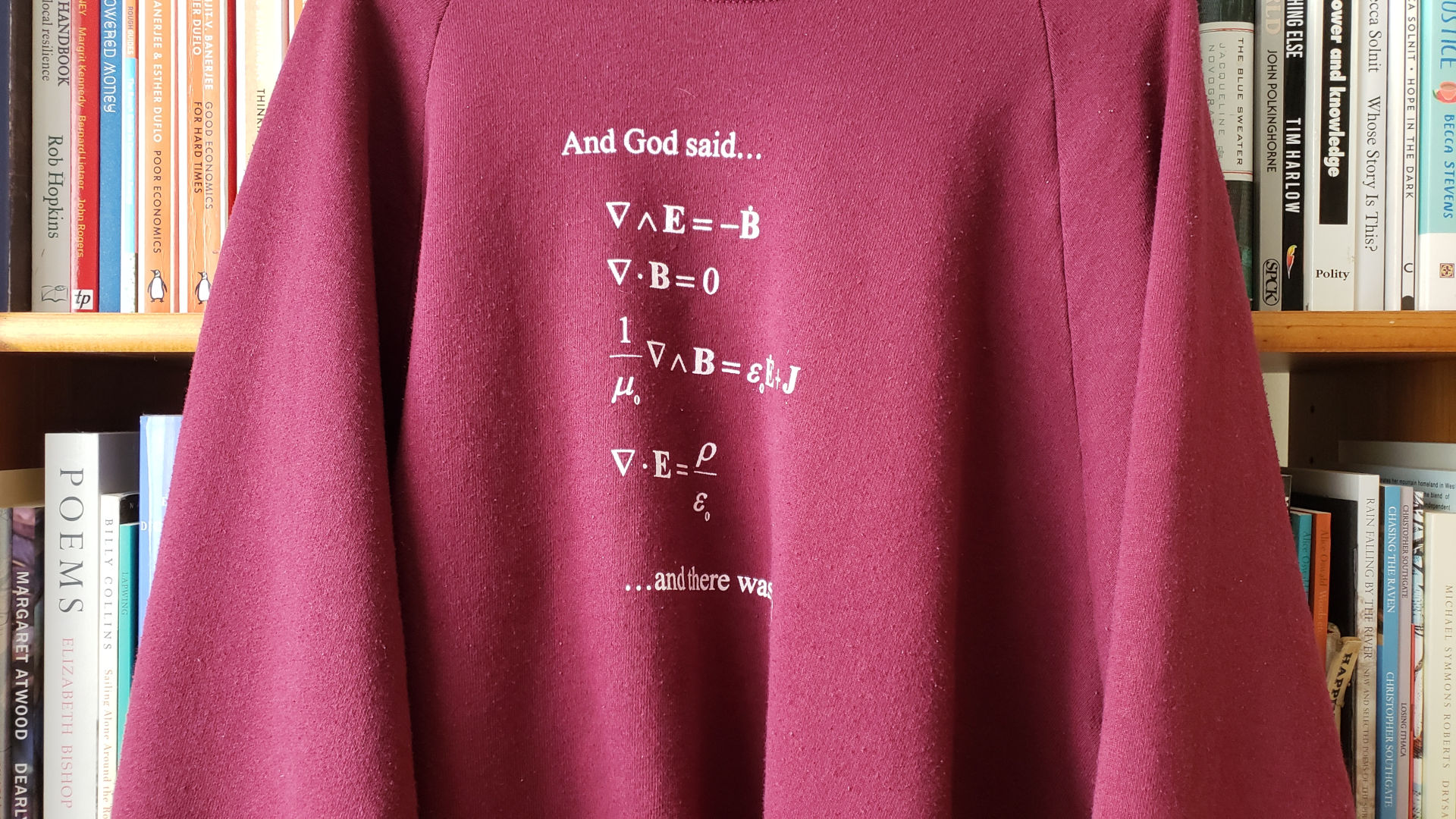
I chose to interweave poems about family and science for my open mic, including “QED”, on the subject of buying presents for my dad.
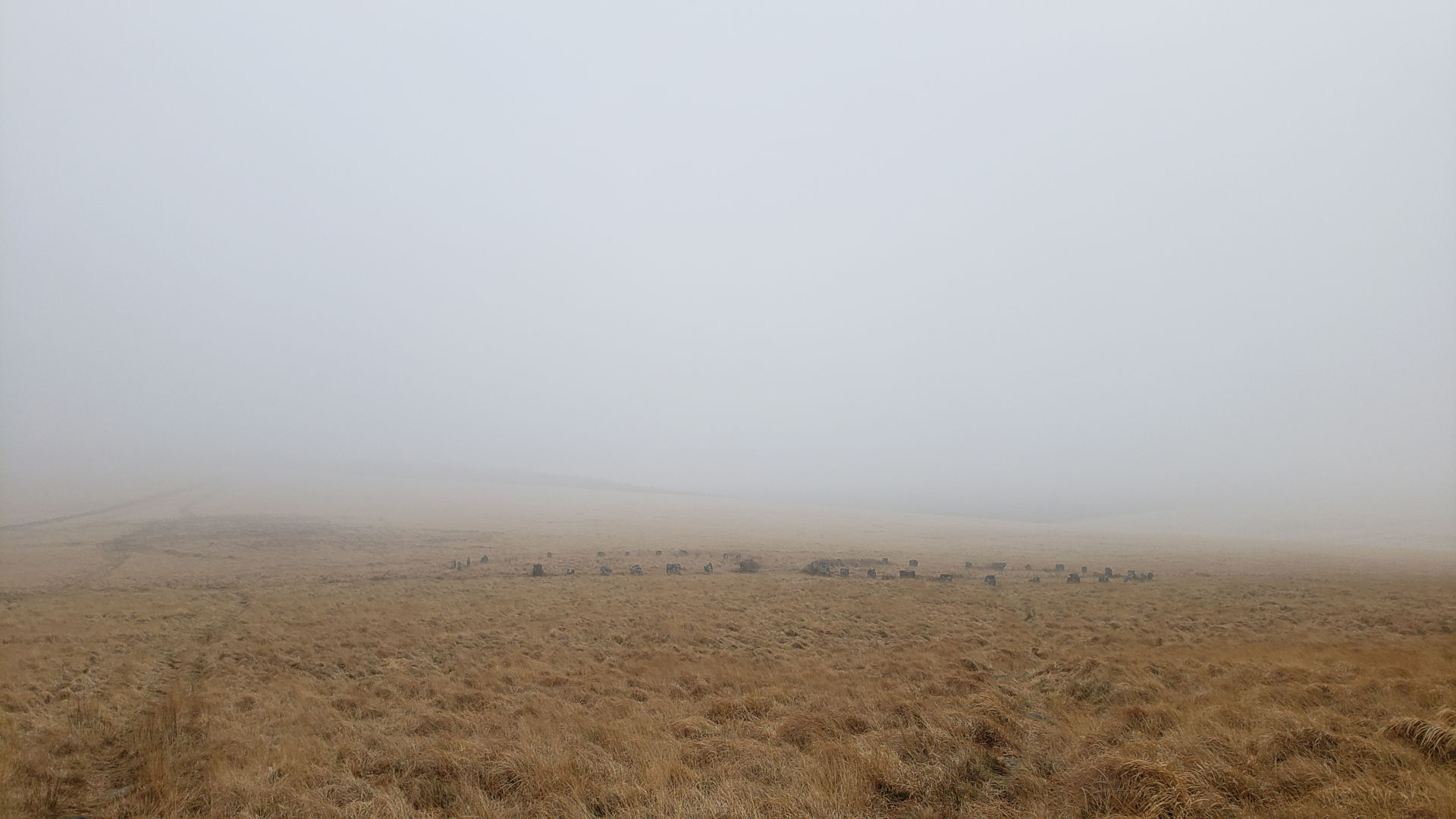
Gaza covers 365 square kilometres,
one for every day in the year.

Only Didcot’s distant cooling towers and the Clumps
punctuated the sentences of my early geography

You would walk Coverack shore on the ebb
from the far north end to the harbour wall

Us English are a country
of boat people.

Morsels // of heliotrope / daphne / gorse / bid — // come close / and breathe / our fugitive / breath.

A poem for International Women’s Day 2026. Women and under-represented minorities are more likely to be appointed to leadership roles during a crisis.
Yesterday I read for the first time at the monthly in-person Uncut Poets at the Phoenix.

Written while on retreat at Tymawr Convent in September 2025, responding to some of the many trees in the grounds.

An (even more niche) second poem relating to the chemo diet… with apologies to Burns and his haggis!

Written for a friend who has recently started chemo. It was a real surprise to see what’s on the list of foods to avoid.

After a line in Mary Oliver “When the Roses Speak, I Pay Attention”

Praise for inflorescence of the swaggering wisteria!

He sought it here, he sought it there— /
the poor man’s shy barometer. /
Am I in heaven or am I in hell? /
he asked the Scarlet Pimpernel.

Hiking through woodland and over Exmoor seeking the source of the Exe, accompanied by the occasional helicopter or light aircraft.

Given what DJT is currently doing to the White House, I think it’s about time I shared this triolet.

My patio is becoming an ecosystem. Maybe one day nature will heal it.
The internet knows me better than I know myself… maybe.
O Oriens is the Great O Antiphon for 21 December, anticipating the light of the world. “O Morning Star, splendour of light eternal and sun of righteousness: Come and enlighten those who dwell in darkness and the shadow of death.”

It seems to me significant that cars have come to signify the soul in many dreams. In the driver’s seat? Then you are in control of your life. Careening down the hill with no brakes? Well… And that’s the path the climate is on as we refuse to recognise our addictions.

Acknowledging something of the darkness at the lightest time of year might remind of the possibility of finding light at the darkest time.

A response in poetry to Elaine Goodwin’s beautiful mosaic “Fragments of Light 2020”.

When we have killed / all the butterflies / will that be an end / to tornadoes?

“unless a grain of wheat falls into the earth and dies, it remains just a single grain; but if it dies, it bears much fruit” (John 12.24).

Responding to the Easter Vigil service at Exeter Cathedral on 31 March 2024.

Place your hand upon these walls, /
soft on rough rock /
hewn haphazard into a house of prayer.

Back or forth in time—which way do echoes carry?

A number of friends responded to the poem with stories from east Asia and Ukraine.

I have the honour of taking part in the civic ceremony hosted by the Lord Mayor of Exeter to mark the 80th anniversary.

My small, raw offering for Jyothi, Sue, and the other peaceful protestors arrested on 9 August 2025 under Article 13, and for environmental campaigners willing to risk the same. Respect. This what it is coming to.

Blythburgh Church is a numinous place, with centuries of prayer saturating the stone. Luminous too.

On 6th August 1945, the Allies dropped a “Little Boy” nuclear bomb on Hiroshima. Three days later on 9th August, they dropped a “Fat Man” bomb on Nagasaki. The Japanese Emperor’s announcement of surrender was broadcast on 15th August 1945.

During Lent in 2024, I aimed to write a poem a day, prompted by the Gospel reading for that day.

I’ve happily had quite a few poems come out since May. Watch this space!

Since April 2020 I have been hosting a Lectio Divina group, one beautiful outcome of the Covid lockdowns.

When I was 8, I broke a front tooth playing silly games. Three root canals and three crowns later, the infection was extensive…

A couple of my poems on the subject of Marine Conservation will be appearing in the Dawlish Poetry Trail 2025.

Something nice happened today: “Get On Board 50” went up at Studio 36.

Veronica Gosling asked me to contribute another poem for Studio 36’s Get on Board 50, so here’s something celebratory.
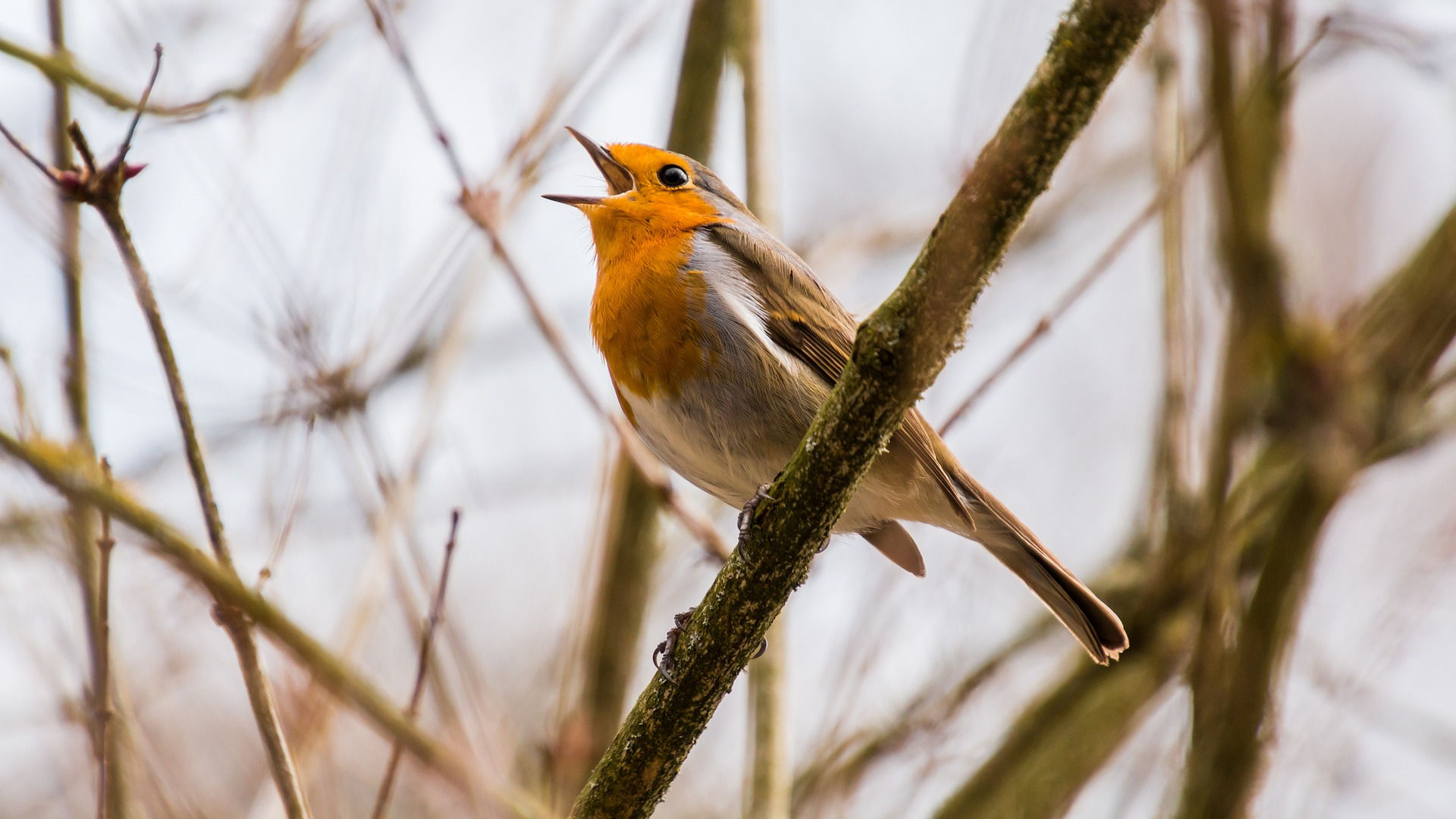
how do I begin? the song of a robin is lost in the telling

Composed on the walk to St Michael and All Angels, Christmas morning 2023.

Sometimes I make notes of things to remember on my left hand, and then go up to receive communion…

…literally today, bucketing down, blowing a hooley, and thunder and lightning to boot. But also figuratively, in terms of published poems.

redefining pink –
bursting magnolia buds
stretch their baby fists

Ho hum.

Pebblebed Heaths lie inland of Budleigh, and the beach is formed of pebbles, beautifully smooth.

I learned to float when I was 53, off the beach at Budleigh Salterton, Devon.

Poem published by Wildfire Words, with audio recording of my reading.

…and I’ve had three poems published recently in different journals.

Terza rima sonnet inspired by walks through the temperate rainforests of Lustleigh Cleave, Dartmoor, and Isaac Newton.

For three years I wrote a series of articles for Exeter Cathedral, introducing contemplative prayer as a way deepening our relationship with God.
Or are we asking the wrong questions? For one of the points of contemplative prayer is that it has no point, and our goal-oriented and purpose-driven world finds this hard to grasp.

“Come to the edge. We might fall. Come to the edge. It’s too high! COME TO THE EDGE! And they came, And he pushed, And they flew.” – Christopher Logue

Poetry is an exercise in patience.

Inspired by Elizabeth Barrett Browning and Facebook. Gotta love the AI image generator’s attempt to produce a “cloud of thumbs up emojis”. It really can’t do hands… or faces.

Prompted by the variable messages overhead as I drove home down the M5.

In essence, a prayer journal is a written record of your relationship with God. Putting things down on paper accesses different parts of the brain, and in the hard times, it may remind you of God’s faithfulness.

A reading of “Think chair” and other poems more or less related to items of furniture

Teach me, my God and King,
In all things Thee to see,
And what I do in anything
To do it as for Thee.
— from The Elixir by George Herbert
In his first letter to the Thessalonians, Paul urged his readers to “pray without ceasing” (1 Thess 5.17). So what does this mean?

When I responded to an invitation to ‘think chair’, Studio 36 published it.
“Lord Jesus Christ, Son of God, have mercy on me, a sinner.”

Veronica Gosling sent out an invitation to ‘think chair’, so I wrote a poem.
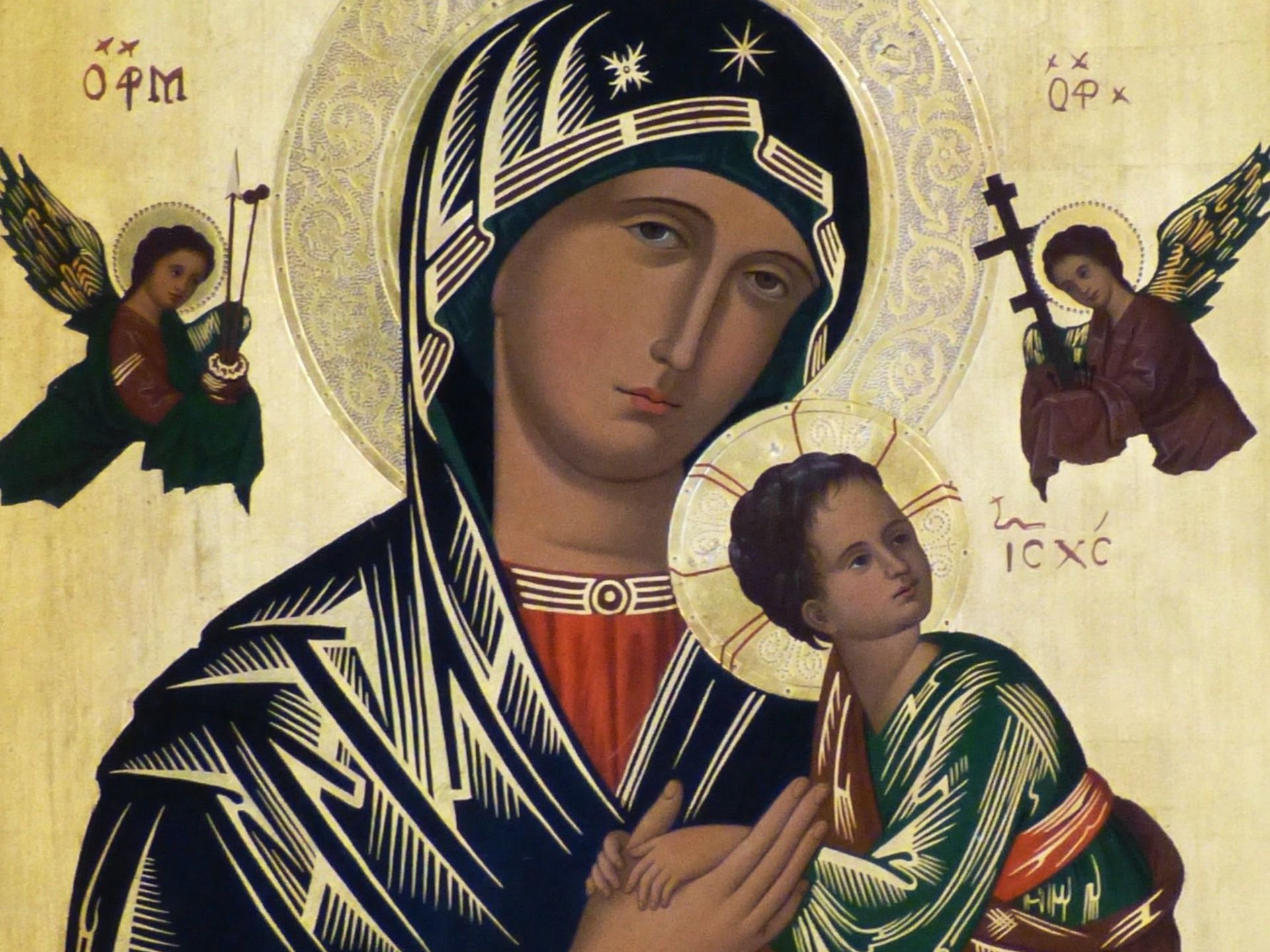
Many icons depict Jesus, or Mary presenting her son, as gazing directly at the pray-er, inviting eye contact as a way into encounter with the person of Jesus.
strange how December / triggered reading and writing / poetry again

Consider your friendship with God. How do you relate to God as you would relate to a friend? What makes a good friendship?
Spiritual Directors or Soul Friends will not finish the race for us. But they will share the journey and help us notice where God is active in our relationship of prayer and in our daily lives.

We are all always beginning in prayer, and always will be. The true experts in prayer have a beginner’s mind, always open to new possibilities.

Gratitude reminds us of abundance and leads to an attitude of contentment, interdependence, and respect for Creation and Creator.

Two haiku, one responding to the news of record September average global temperatures, and one celebrating a bit of biodiversity that is often overlooked.

There are two basic blunders that we can make make in praying for ourselves: to be too demanding; and not to ask at all.

In 2010 I wrote a series of four haiku spanning seven-year intervals in response to Deepwater Horizon: 1996, 2003, 2010, 2017. Now it’s 2023, maybe an update that ignites the will to keep plugging on would be helpful…
Writing haiku, inspired by the natural world around (and perhaps inside) Exeter Cathedral.
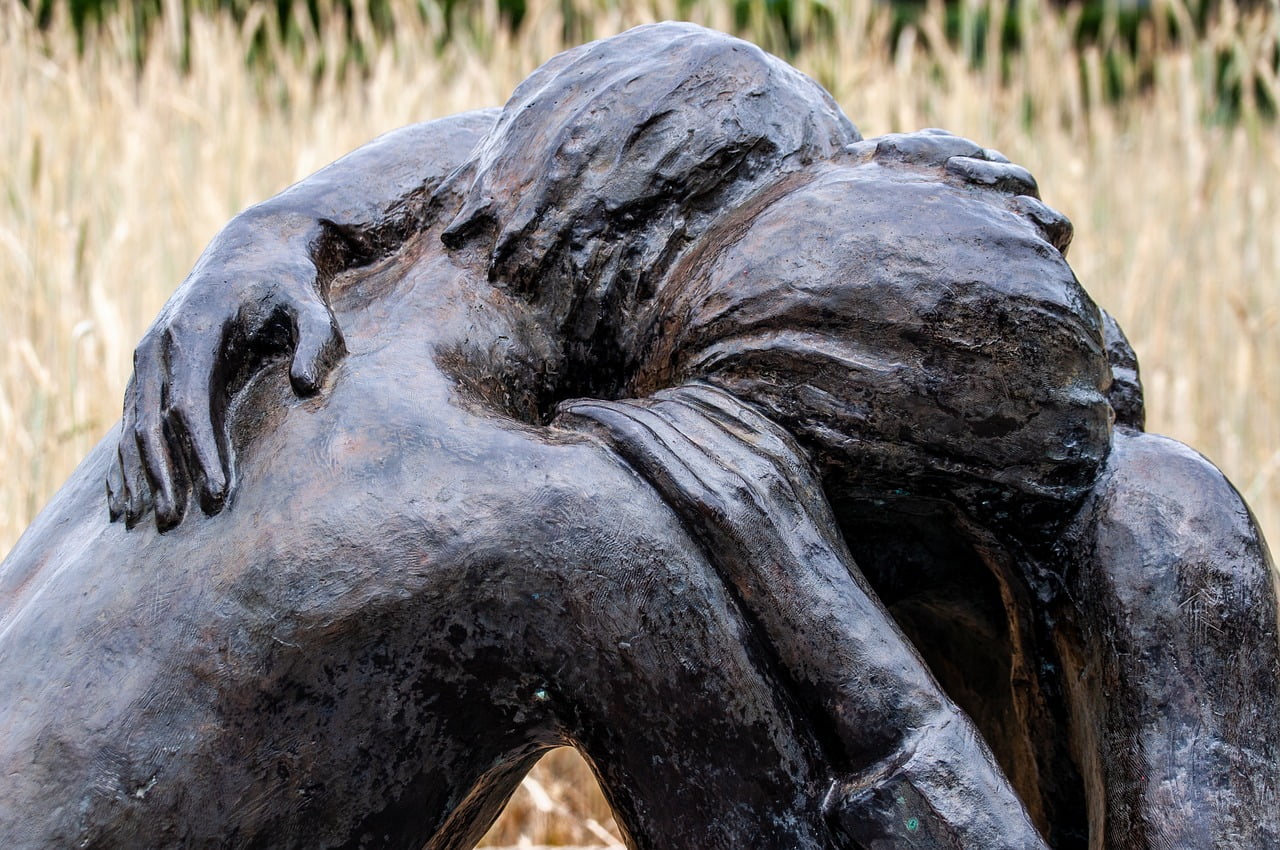
Three (very tentative) understandings of what I am doing in intercession as part of my contemplative practice

The slow reading of a picture may be more helpful to those who find it easier to engage visually with the world rather than through words
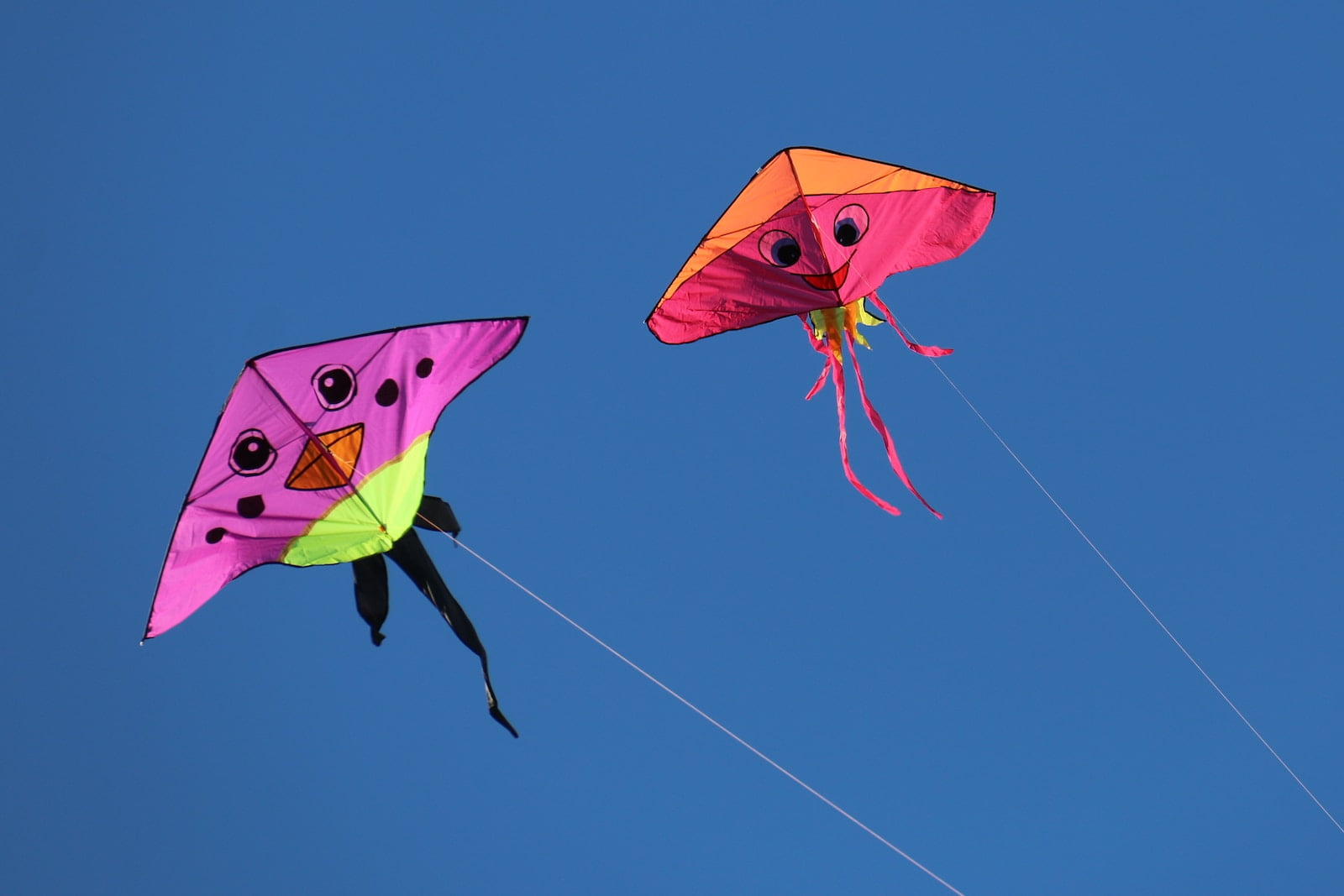
Playful prayer – being light-hearted, spontaneous, simply enjoying God – helps us avoid ‘worthiness’ and ploddery.

“Pray as you can and do not try to pray as you can’t. Take yourself as you find yourself: start from that.”

“Prayer is not a technique but a relationship. There is no unfitness, no obstacle, no problem… All anyone can do for us is to keep our eyes on Jesus…”

As you read scripture or spiritual writing, one saying or word might strike you. Stop and write it out long-hand. Then ask yourself three questions…
As you read scripture or spiritual writing, one saying or word might strike you. Stop and write it out long-hand. Then ask yourself three questions…

Praying a labyrinth is a journey to the centre. It is akin to walking a winding pilgrim path, taking time to reflect and ponder our interior landscape.

The Examen is a way of reflecting prayerfully on your day. It may be a very short prayer, or a period of longer reflection. It may prayed at any time, but is often prayed last thing at night.
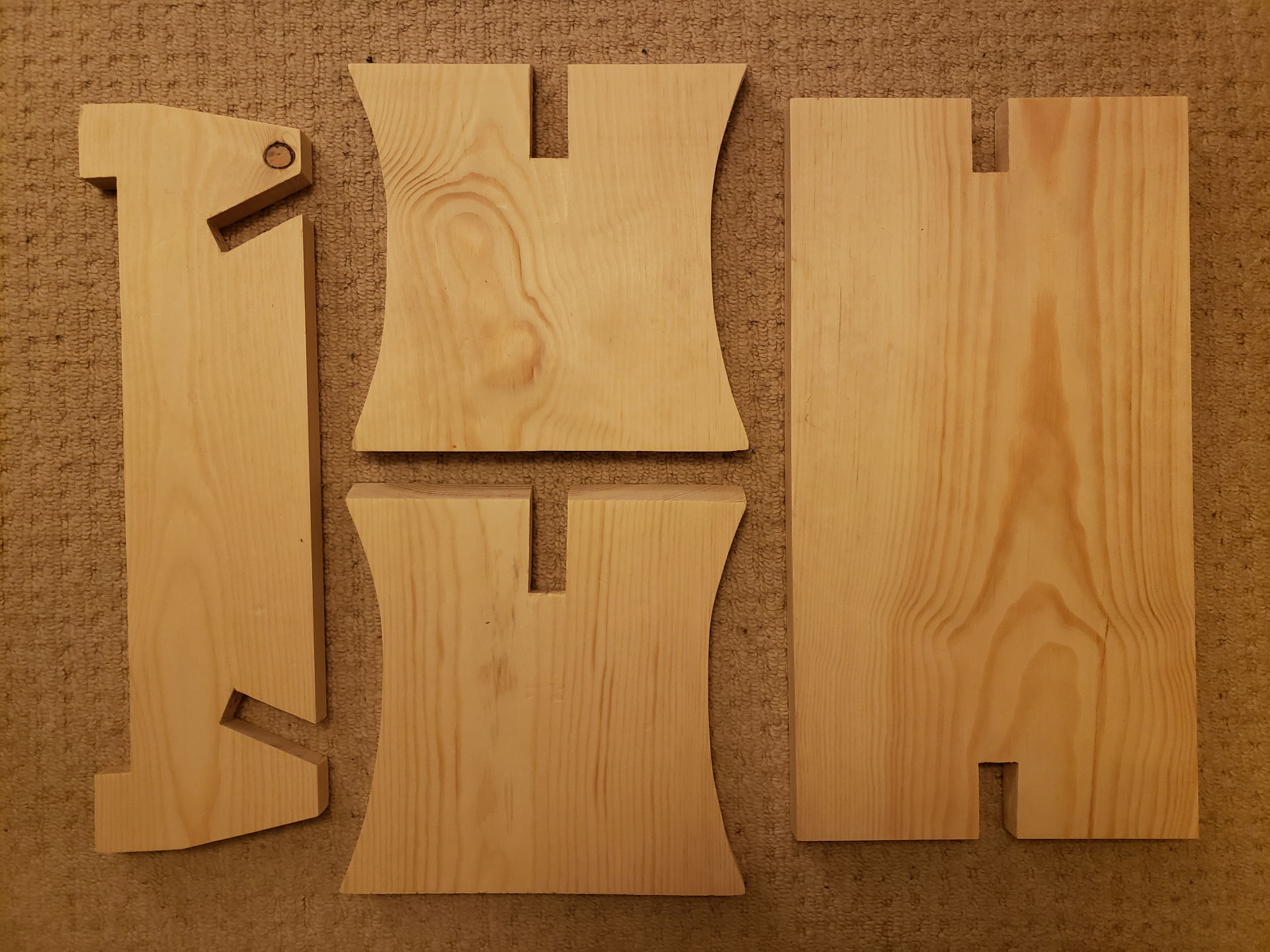
“Have nothing in your houses that you do not know to be useful or believe to be beautiful” – William Morris

Knitting is coding. Input, operation, output, storage.

The apophatic, or negative, way of prayer starts with the teaching that God is no thing that we can grasp. God is utterly transcendent and beyond every thing that God has made.

The Great Os are the antiphons used with the Magnificat at vespers or evensong on the last seven days of Advent. They are the material for the Advent hymn “O Come, O Come Emmanuel”.

The kataphatic, or affirmative, way of prayer seeks to describe God, and to express what or who God is in terms of what God is like, in order to understand and come closer to God.

Constraints can be a vital source of creativity. They force us to think and release our imaginations. The form of the Collect is a way to collect our intentions in prayer and arrange them.

The Church’s pattern of prayer today is a simplification of the eight-fold monastic daily office associated with Psalm 119 v164 “Seven times a day I praise you” and v62 “At midnight I rise to give you thanks”.

Praying with the imagination can be helpful if you have spent time in study and want to deepen your encounter with scripture, or if you struggle with the Bible’s content and want a different way in.

I have wrested myself free from earthly things, / recognized the writings of the stars above
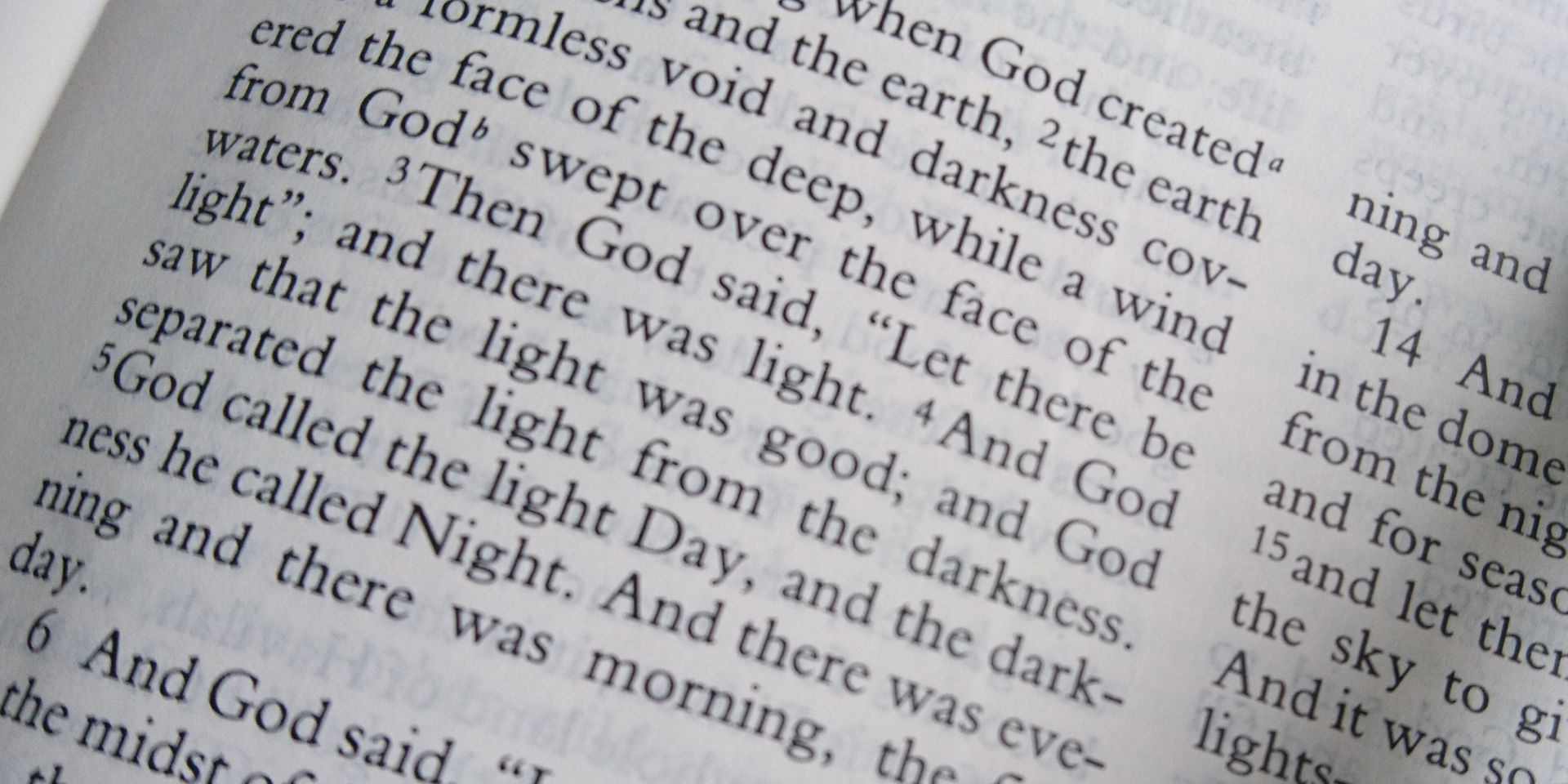
Regular Bible reading and study gives us breadth of knowledge. Lectio Divina helps us also absorb Scripture at depth.
To him it is as though there were a thousand bars / and behind a thousand bars no world.
In all the treetops / you sense / barely a breath
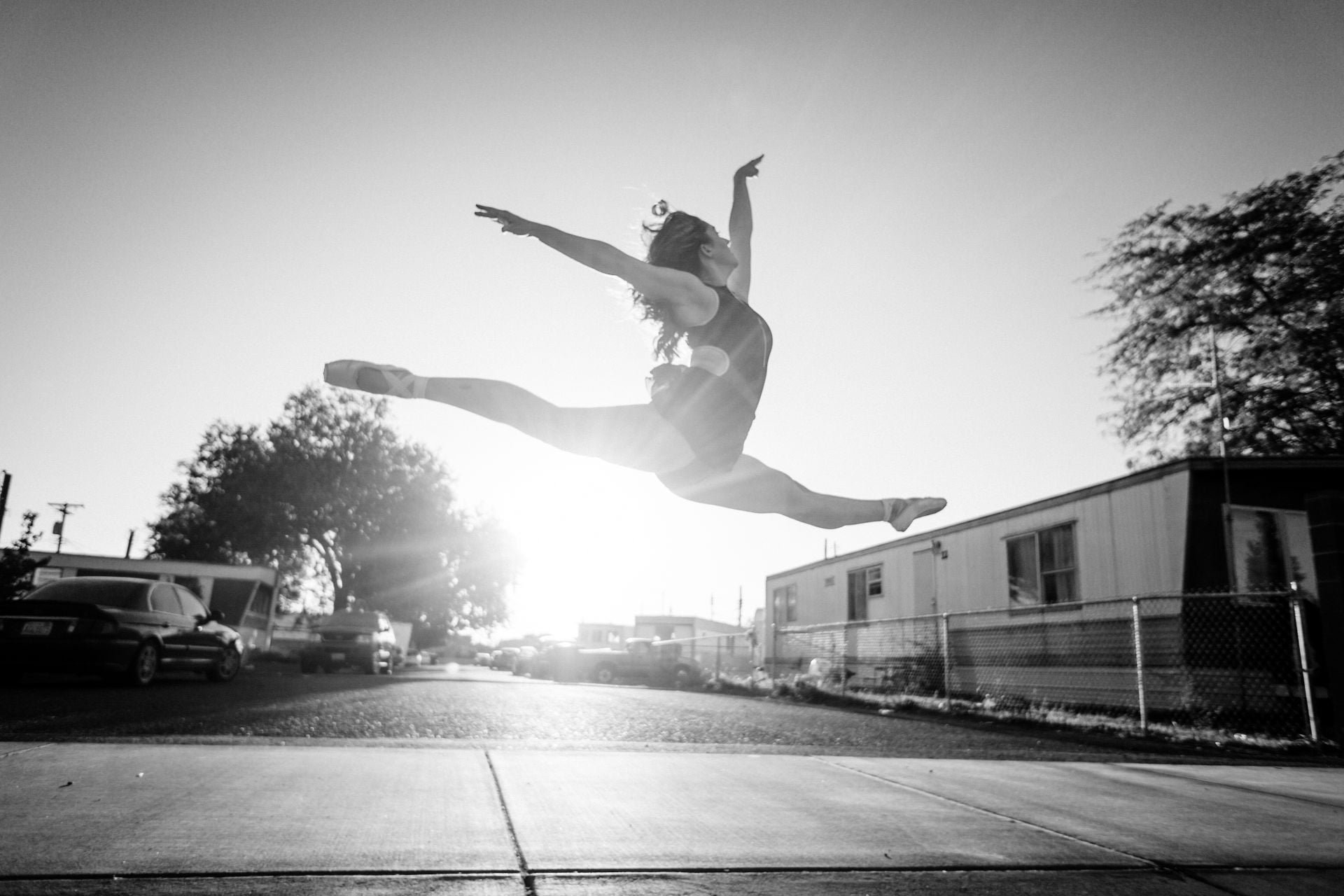
Engaging our body in prayer – praying with the whole person – deepens our attentiveness and enables different intentions in prayer.

Can we come close to seeing and scenting a spray of the lily of the valley as God might see it? Hearing the chatter of a treeful of sparrows as God might hear them?

“Pilgrimage is an opportunity to reflect on the journey of our lives, and on our journey homewards to God.” – Devon Pilgrim guidance on the St Boniface Way
Everyone is gladly sunning themselves today. / They are celebrating the resurrection of the Lord, / because they are themselves arisen:

Repeating a short phrase over and over can be a helpful way of holding the surface mind’s attention while the soul encounters God in the depths.
A booklet of psalms that can be recited day by day each month, set to simple psalm chants.

When we enter our prayer time, it is probably not long before we get distracted. But there are preparations we can make and tactics we can employ.

We often find our attention wandering in prayer, but over the centuries, people well-versed in the practice have developed techniques that can help us.

Prayerdle, an off-shoot of Wordle that can help you pray as you go through your day.
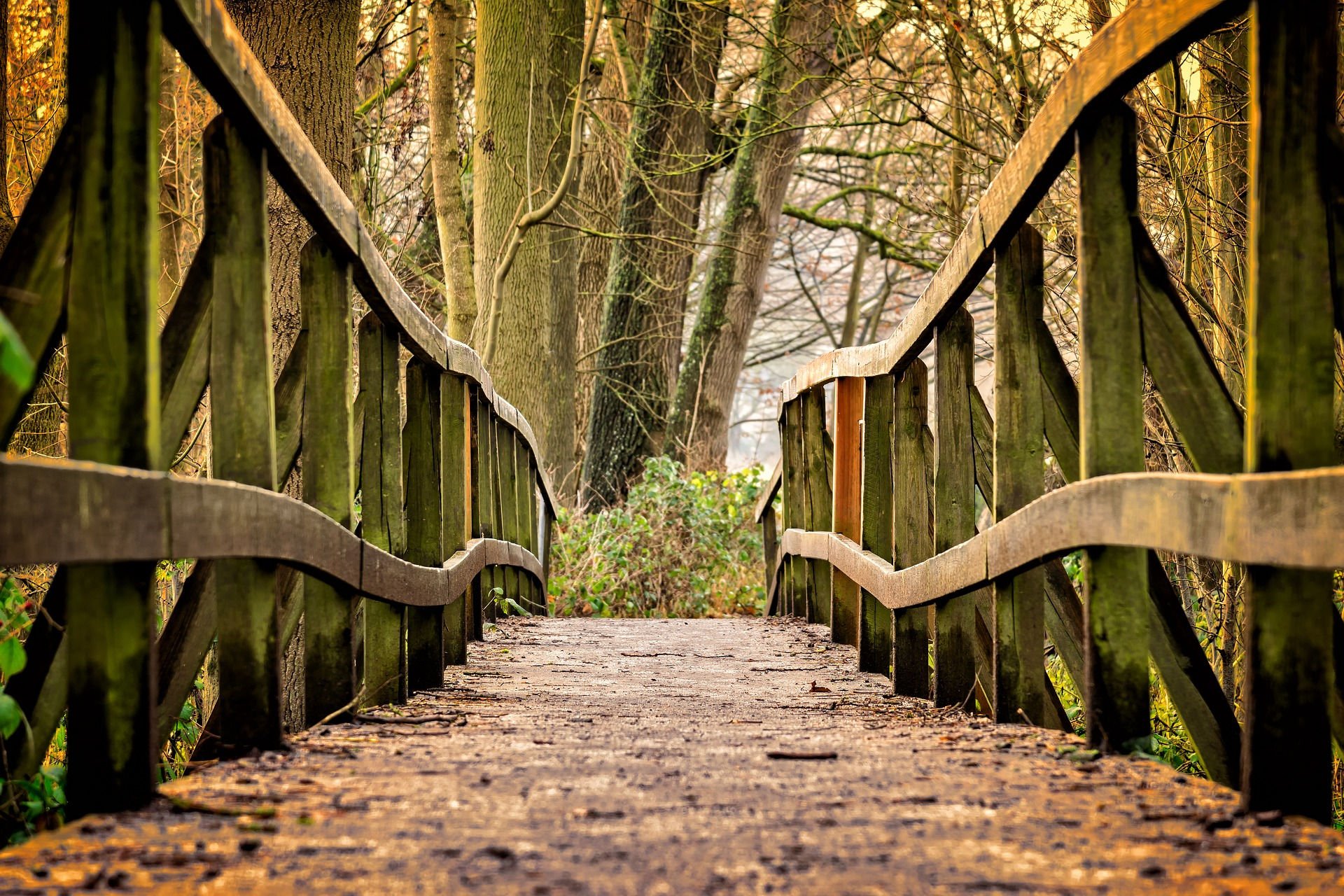
How can we make sure we make time for God? Form a habit and find a bridge.

Set off alone and start walking. Find your own space and breathe deeply. Be aware of your own body. Feel your limbs and the ground under your feet.

I have a great debt of gratitude to Thomas Hardy, Margaret Craven, Rainer Maria Rilke, the author of the Cloud of Unknowing, Richard Powers, and many others.
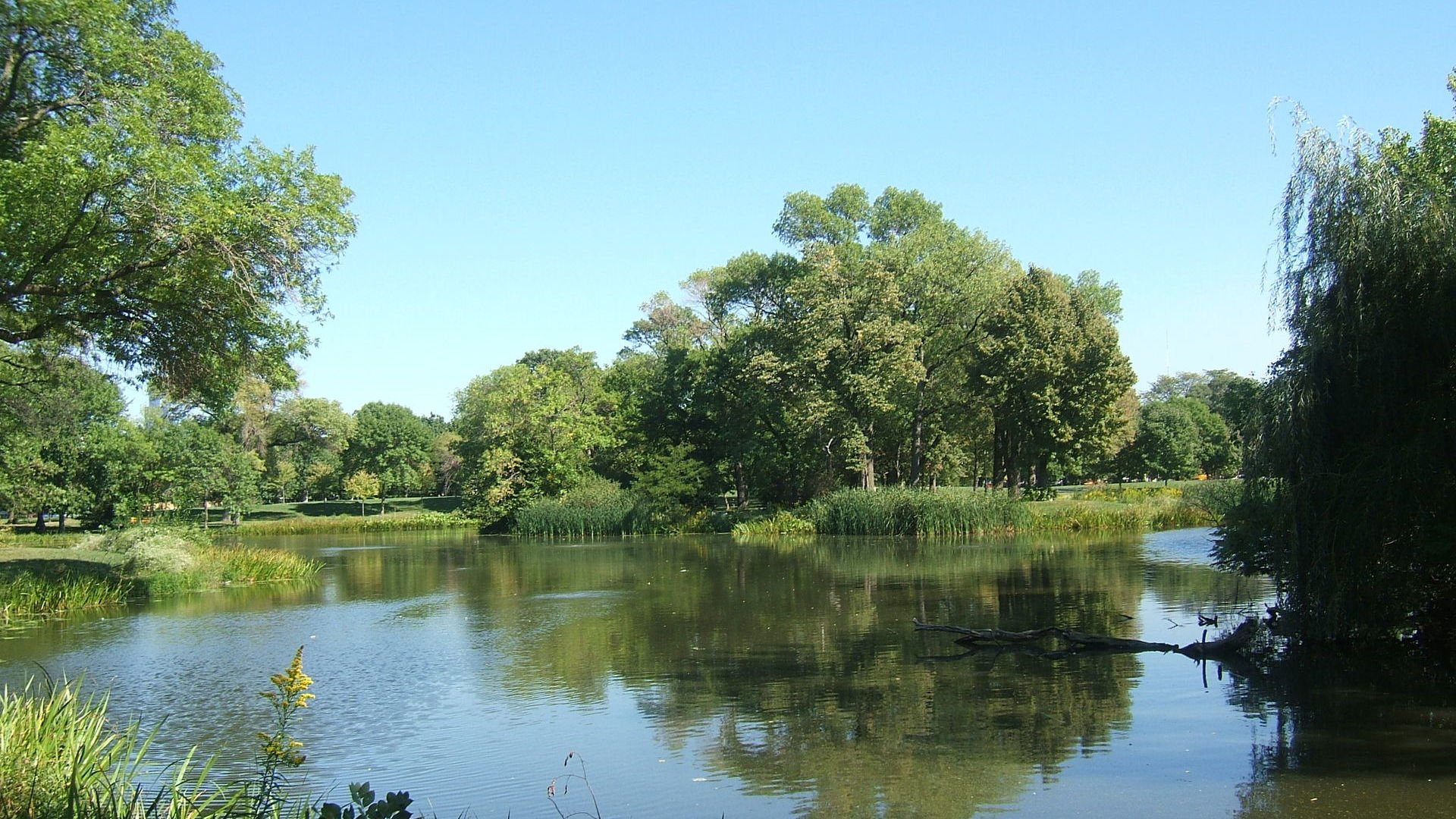
It is hard going against the flow of today’s culture, and waiting for anything. So it might be helpful to think in terms of waiting on God.
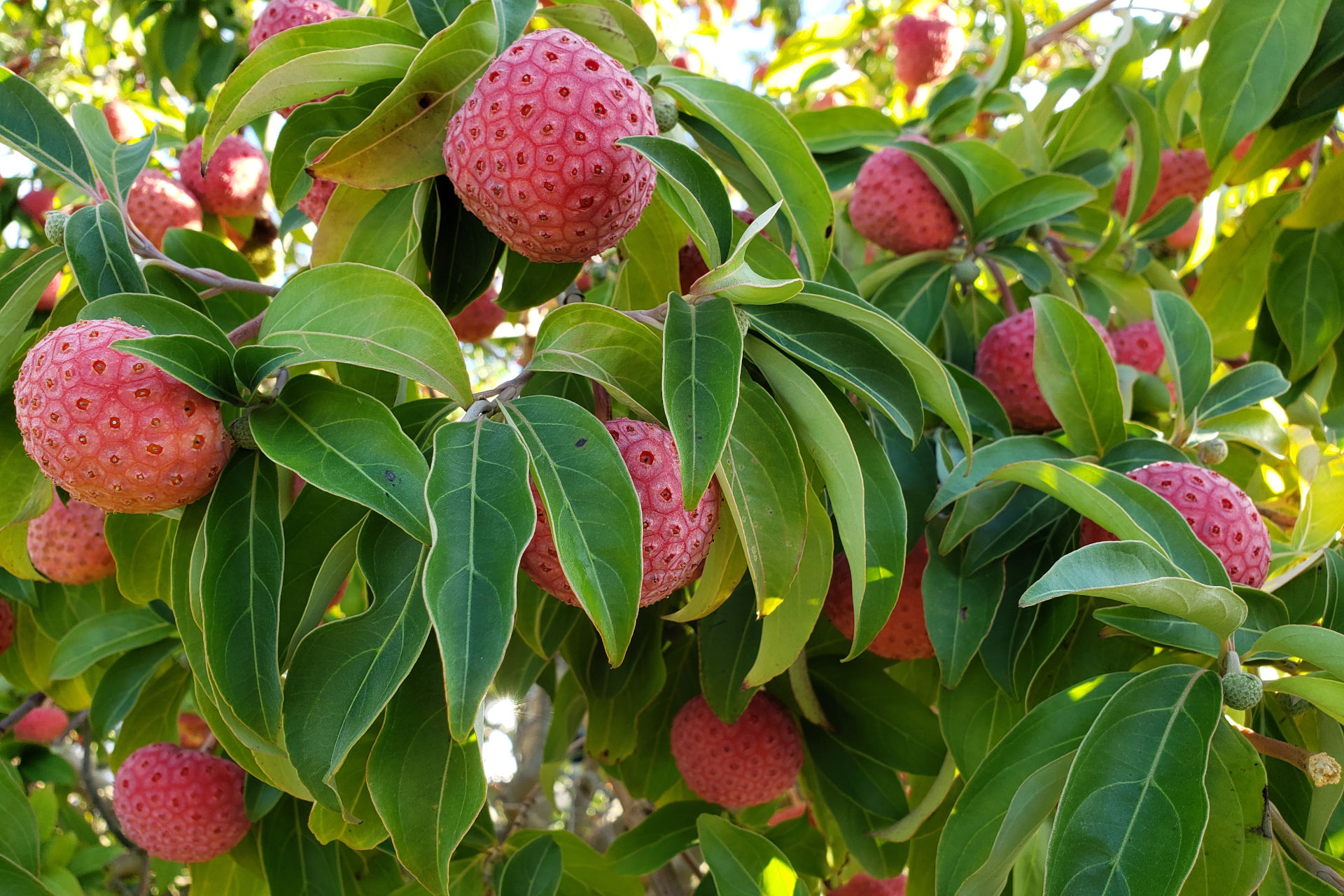
When I moved to Exeter, one of the first things I did was to plant a tree. This year it’s gone ‘berserk’ and many of my neighbours have remarked on it… Which has led me to take more notice of it too.

You are infinitely loved by God, and God is waiting and longing to be with you. Prayer is simply the expression of our relationship with God.

It is prayer hour in the convent chapel on a sunny summer morning. Dust motes swirl idly in the sun’s rays streaming through the high windows. The chapel is still, apart from a solitary blue bottle.

In this year of quarantine, I have been observing a DIY Lent. I thought it would be wonderful to get together (via Zoom of course) with one or two different friends each week. Both of us bring a poem, or piece of poetic prose, or art, or music to share and reflect on.

I went on an expedition today, all the way to Middlemoor roundabout, for a picnic lunch amidst the trees and daffodils.

In a past working life I conducted a thought experiment, looking at the different aspects of numerical weather prediction and weather forecasting at the Met Office, and asking whether these techniques might have an analogue in health forecasting. At the time, I thought there might be a paper in it. It never came to be written, so this is how I am keeping the idea alive.
To be entertained by a cracking yarn. To comfort me in illness or sadness. To experience the thrill of a new beginning, and the potential that I hold in my hand for unfurling life or explosive change.

I haven’t been getting round to making art recently. Which isn’t to say I haven’t been creative.
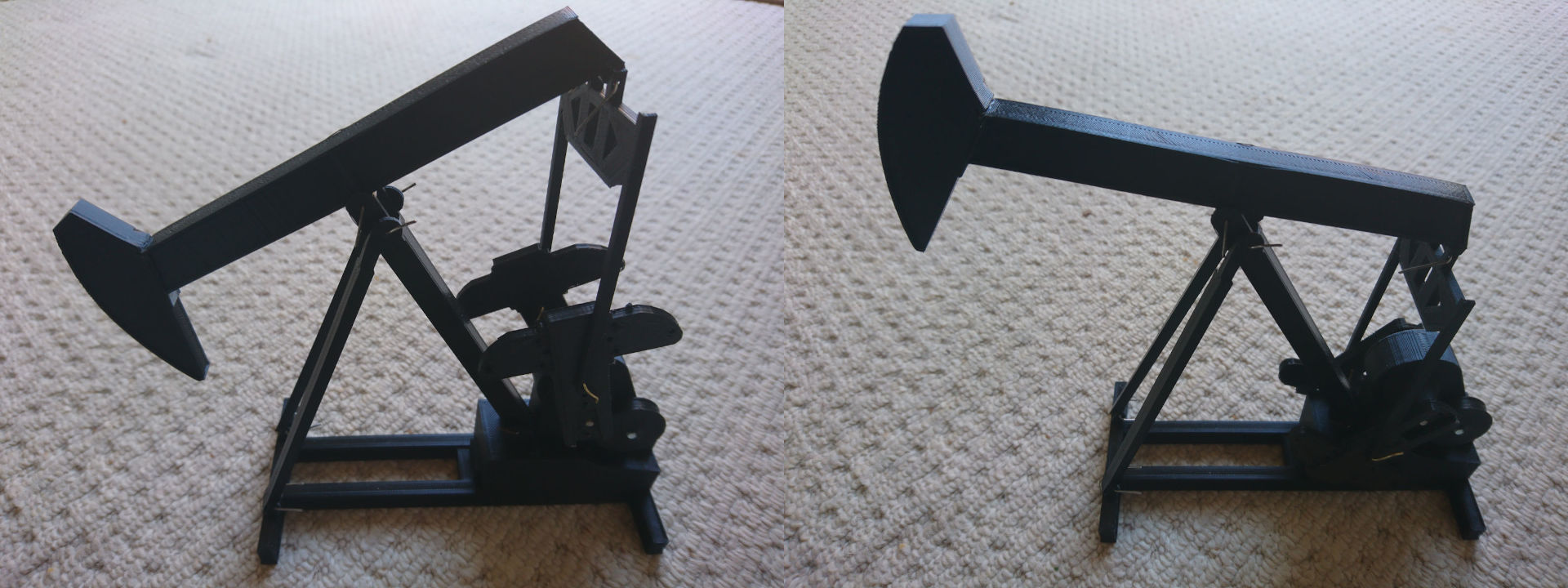
The nodding donkey is a grotesque distortion of circular natural seasonal fecundity into linear exploitative extraction. The donkeys are nodding to capitalism’s exponential growth message, always looking down even when their head is high, never looking up to reality or the future.

This weekend was NASA Space Apps Challenge 2019, and I joined the Time and Tide team to play with slow visualisations of rising sea levels, and make a patchwork of contours.

When do we want it? World without end!
For what are we shouting? With our voices? And with our actions that speak louder than words?

Many years ago I saw a TV segment exploring a china clay pit, and was struck by the infinite landscape and colours. I’d been wanting to see one with my own eyes ever since, and have finally had the chance.

Things feel bad. Spring comes, the days get longer and the weather improves. But things still feel bad. So the feeling of badness is not just because it’s winter. The feeling of badness is yours.

Since my wander around St Loyes with Rosie King, I’ve been continuing to think about migration patterns. The daily migration of workers on Sowton Industrial Estate became particular obvious to me during “The Birds of Sowton Industrial Estate” as it emptied of cars at the end of the working day. How do we make this migration pattern less harmful? How can we persuade people out of their cars and onto their bikes/feet?

Mucknell Abbey, Worcestershire, 10 March 2011 – The anticyclonic frost and cold of the beginning of March has become cyclonic bluster and low cloud. I take advantage of the force 5-ish sou’westerlies, and reach for my kite.
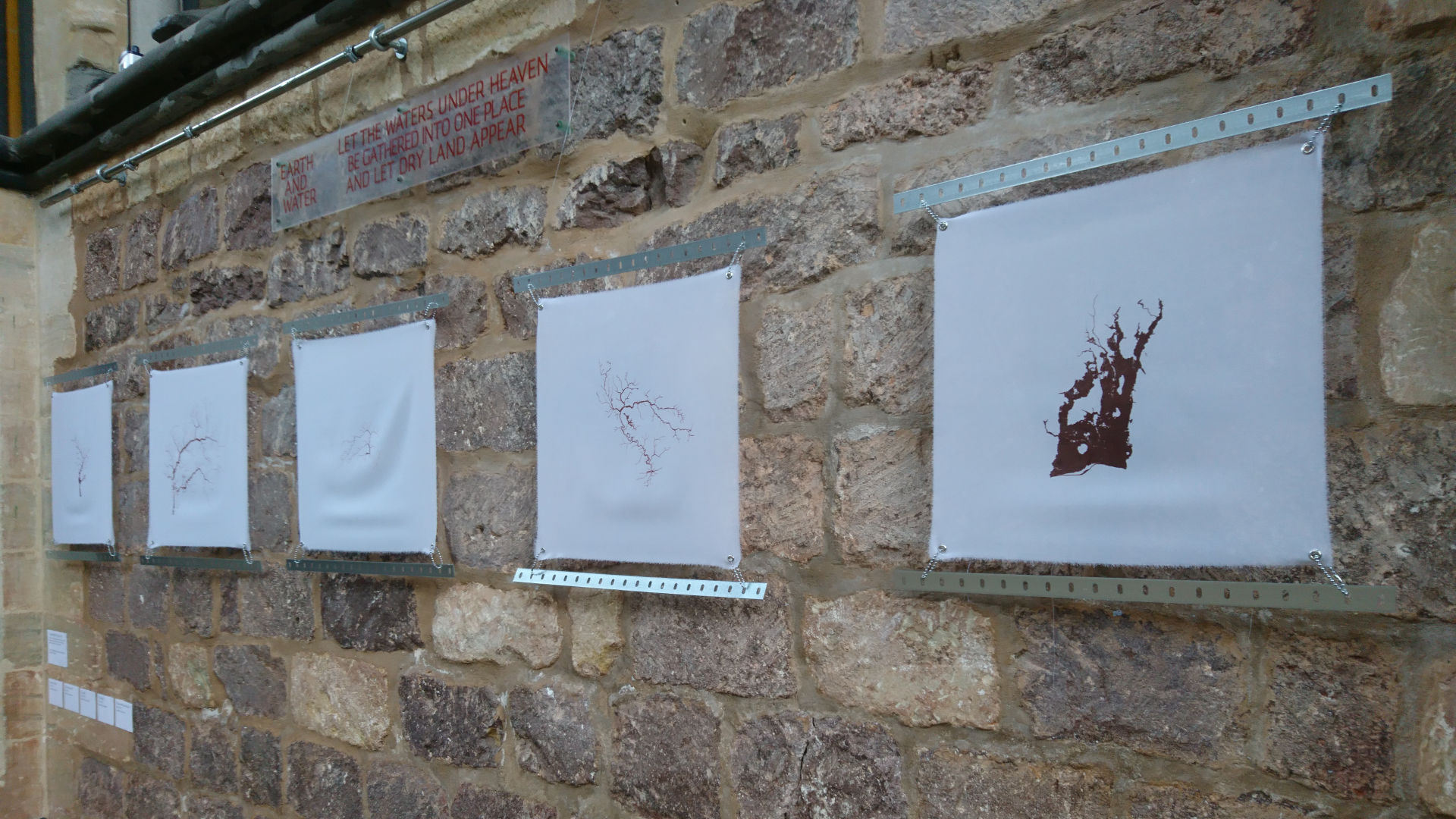
Ruth Bancewicz of the Faraday Institute asked me to write a piece for the blog “Science and Belief – A blog about the positive interactions between science and faith”. I finally took the opportunity to write up my reflections about “Green|Blue” more fully.

Reflections on walking and talking and bouncing a tennis ball in the streets of Exeter.

As part of Working with Gold, I have been writing some nuggets about the area for the website. Here, then, are its Horrible histories, Ghastly geographies, Problematic politics, and Nasty numbers.

This weekend I was back at the Met Office for the NASA Space Apps Challenge, and joined the 3D Earthlings team to play with visualisation of data on a 3D representation of the Earth. Historic meteorite landings… BOOM!!

Recently I received through the post a small package from the Blood service: a letter, certificate and badge to mark my 25th blood donation. I didn’t expect to feel so honoured and proud.
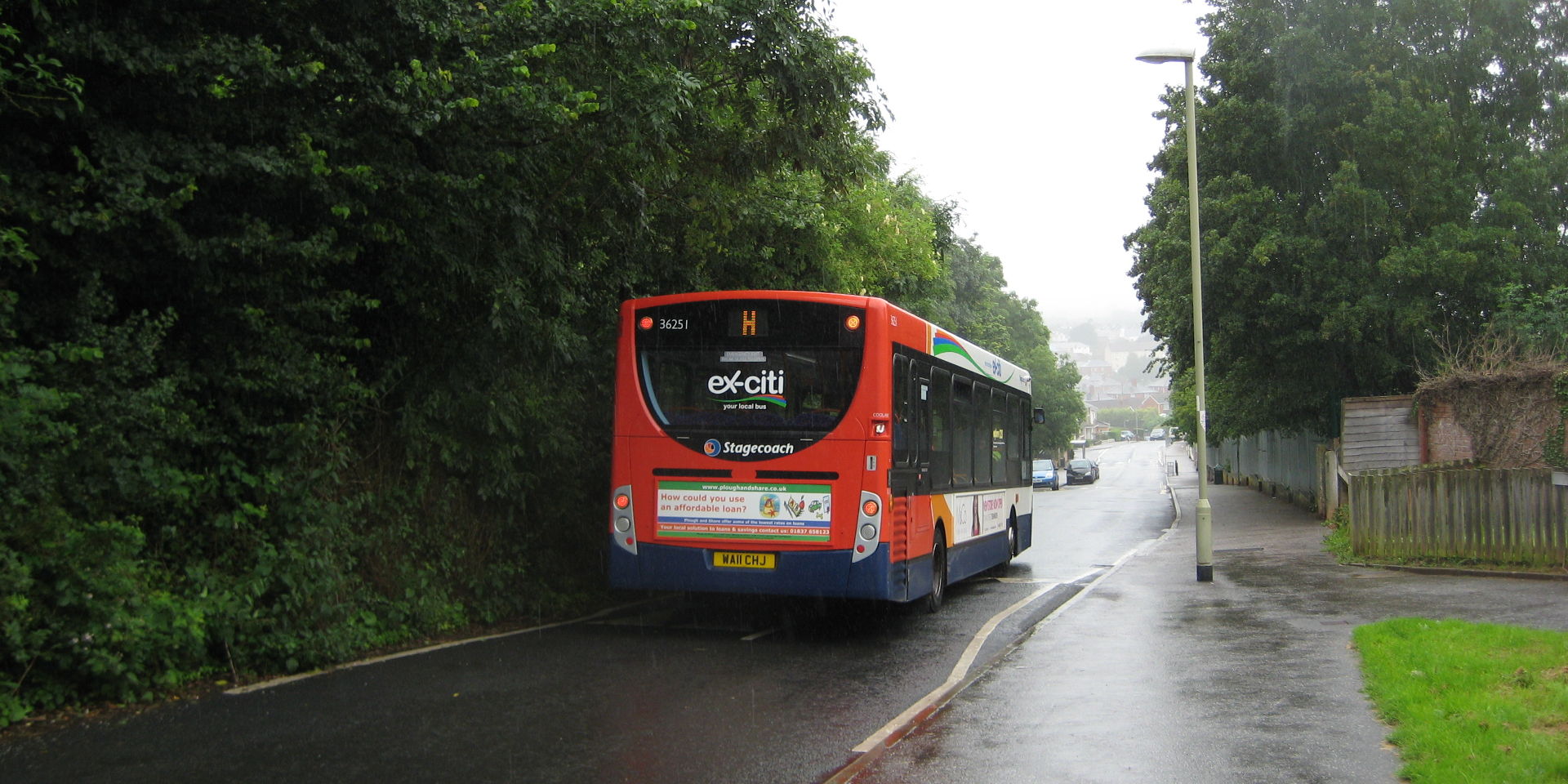
My ‘thoughts looking sidewards’ about travelling the D bus route in Exeter, from the vantage point of my home office.
There are times for everything under the sun. Times for sleeping, times for waking, times for planting, times for reaping, times for getting stuff done, times for taking a step back.
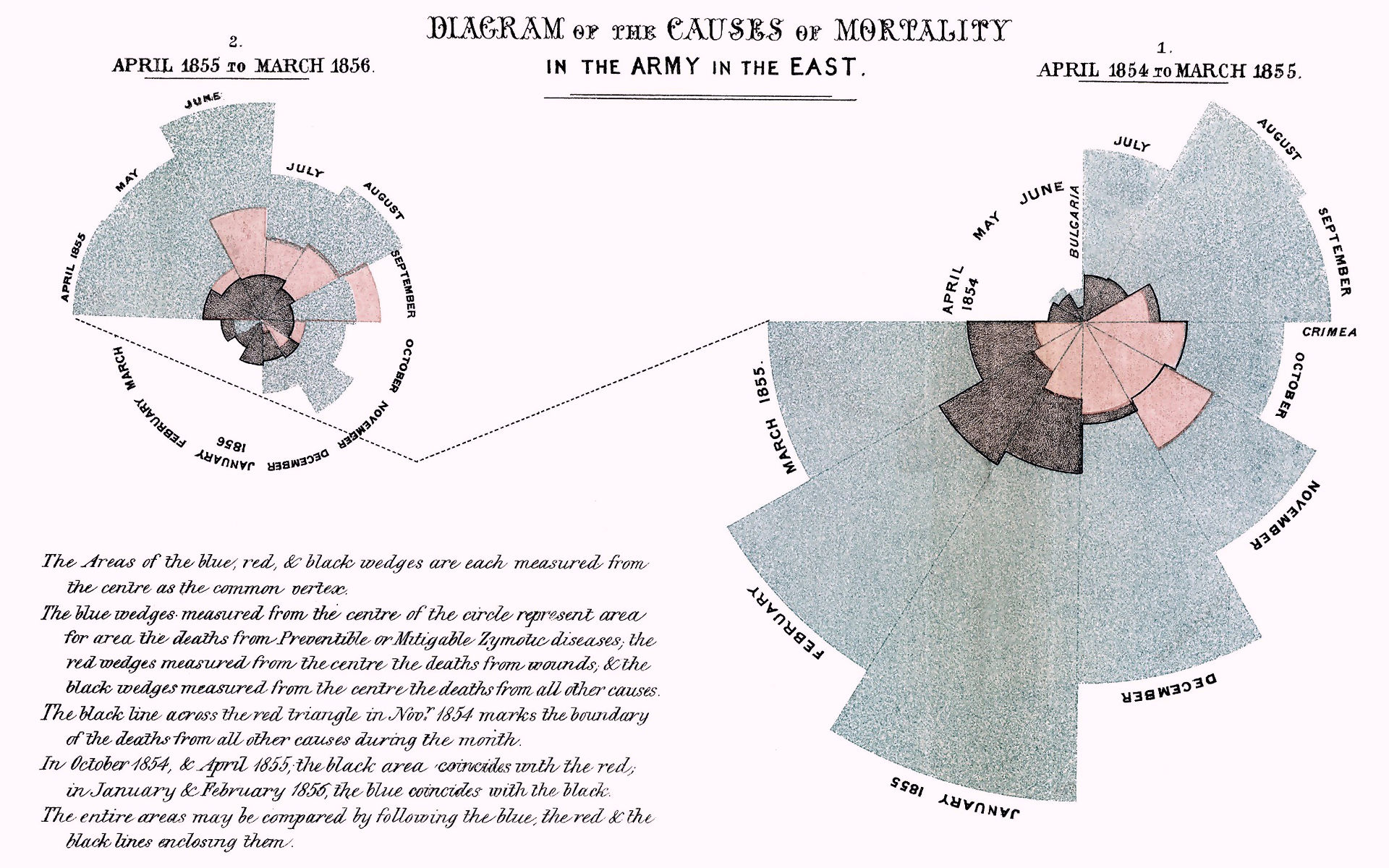
A bit of fun. Some of them are more favourite than others! Now with a second helping!

The sound of axes being ground is deafening, whether it’s the right-wing press incensed that the UK spends any money on overseas aid, or the UK government seeking to undermine an effective advocacy organisation. UPDATE: If you would like to help the people who Oxfam helps, see the comment for points you can make to your MP.

What are the places that mean something to you? What three words…? started out as a coding exercise. I’d been learning Javascript, and wanted to put it into practice.
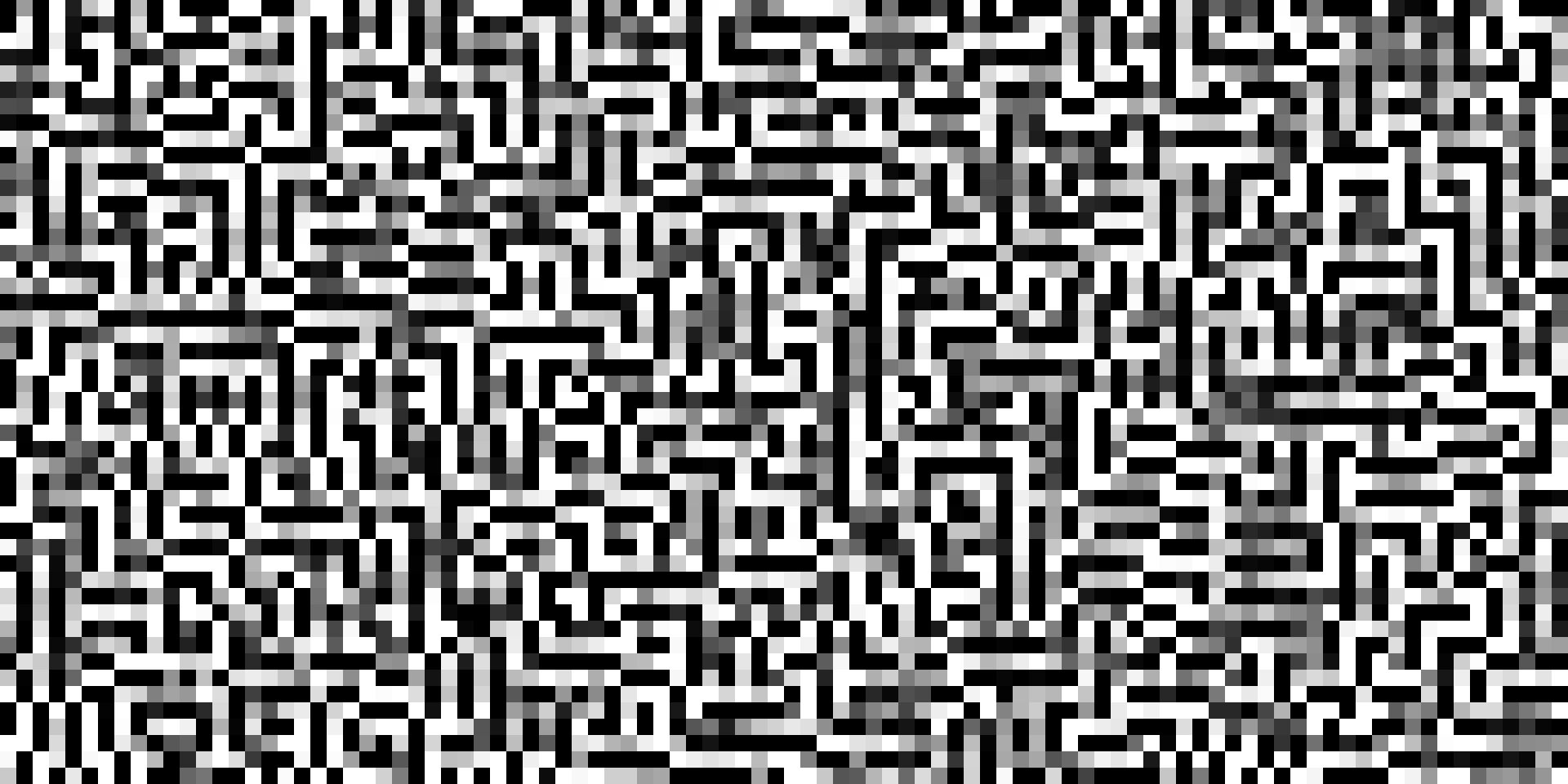
If there is a problem with loading any of the code in the “Game of Life” blog, this is a companion blog of example videos.
The Game of Life is a pretty standard coding exercise. But what if Life is no longer seen in black and white, and instead in shades of grey? Update: Or in technicolor? And what happens if we tweak the rules?

I had so much fun with generative poetry in 2017 that I wanted to continue with the coding, so I embarked on a FutureLearn course with Monash University. Here’s some outputs I did earlier.

Clare is seduced by the sunshine symbol on her weather forecast app into going for a bike ride around Exeter. She plans to drop in on the FLOW tree planting on Exe Mill Field and the Ziggurat painting on Paris St to see how they are getting on.

In which I was a creative lead at a MozFest Fringe hack day, and also tinkered with Javascript to create some generative weather forecast poetry in motion.

I’ve been having a play, and come up with a logo for “Working with Gold”, and I think a working design. Hope you like it!

Question: “Is it easier to forecast the weather, which obeys the laws of physics, or the economy, in which the actors are swayed by the forecasts?”

“In this environment, the task of the prophet is not initially to lead a movement toward social renewal, but to lead the people in creative, artistic, public lament.” – Walter Brueggemann, The Prophetic Imagination

Twas on the day of the autumn equinox that Diana and I decided to walk the Northbrook from mouth to source.

For Creationtide 2017, Eco Church South West has produced a series of prayers and short reflections on the theme of ‘Inspiring Earth’. You can sign up to a daily email with ideas and resources each morning between the 1st September and the 4th October. I contributed one of the reflections.

I heard management guru Charles Handy speak at Greenbelt on the need for second, third fourth… curves to living a fulfilling life.

My ideas for an artist’s residency in St Loyes Exeter are gathering momentum. I’m close to putting in my first grant application, and on Friday 28 July Rosie King kindly joined me on a walk around the ward. It’s an area ripe for an artistic response!

My map is a comfort blanket. Its grid lines are a safety net that give me the confidence to stride out. It gives me a sense of being in control.

Written for TEDxExeter 2017 “HOPE”: Reflections on death, and that even in the darkest places and the fiercest storms, there is always hope.
Written for TEDxExeter 2017 “HOPE”: Images are extraordinarily powerful. Those able to see, see before we learn to read, and orient our world by sight. They can convey truth, and they can manipulate, so should we be hopeful or despairing?
Written for TEDxExeter 2017 “HOPE”: During 82 seconds on Wednesday 22 March, Briton Khalid Masood drove a car into pedestrians on Westminster Bridge, killing and injuring more than 50 people; fatally stabbed an unarmed police officer in New Palace Yard; and was shot and killed by an armed police officer. Over the next fortnight, these were some of the responses.
Written for TEDxExeter 2017 “HOPE”: Hope can come from unlikely sources… What would be the most unlikely and surprising source of all?
Written for TEDxExeter 2017 “HOPE”: Sometimes it’s easy to lose hope, but sometimes hope can come from unlikely sources.
Written for TEDxExeter 2017 “HOPE”: Music has played an important role in many social movements, bringing hope to millions, fostering community, and encouraging perseverance in the face of seemingly insurmountable odds.
Written for TEDxExeter 2017 “HOPE”: The Dalai Lama and Archbishop Desmond Tutu got together for a week to talk about the challenges of living a joyful life. The result was “The Book of Joy”.

A series of things that interest me which have a TED or TEDx angle: The data and statistics that are being collected about us reflect our selves and the way we see the world.

A series of things that interest me which have a TED or TEDx angle: Reflections on Susan Cain’s TED talk “The Power of Introverts” and lessons from “Watership Down”.
Written for TEDxExeter 2017 “HOPE”: What was the last line we saw Carrie Fisher (albeit a CGI-reconstructed ever-youthful Carrie Fisher) deliver in a movie before she died?

In modern times, origami has been used as a beacon of hope. I created the origami “Soul Cube” to help me get past that powerful critical voice in my head and access the deeper nurturing wise voice that speaks words I need to hear.

A series of things that interest me which have a TED or TEDx angle: The benefits of collecting so many statistics on the number of times a talk is viewed and the related web pages are accessed.
A series of things that interest me which have a TED or TEDx angle: There are myriads of reasons why people watch TED and TEDx talks, and myriads of outcomes.

An anonymous note from ‘A concerned neighbour’ and my response.

A series of things that interest me which have a TED or TEDx angle. First up, Brexit and young people and how to get them to vote.

Free Art Friday is a worldwide movement that has existed for many years. I started Free Art Friday Exeter in July 2015, and collaborate with other artists in leaving pieces in public places to be discovered and taken for free.

I’ve been working on a set of 21 images of flood risk around the south coast of England, from Sussex to Bristol. What has emerged is a beautiful forest of sometimes fragile, sometimes twisted trees.

Written for TEDxExeter 2016 “Dreams to Reality”: Even in football, it is possible to have dreams of community, to play as a team instead of individual starlets.
Written for TEDxExeter 2016 “Dreams to Reality”: How we can help shape the place we live, through local government and at the grass roots.
Written for TEDxExeter 2016 “Dreams to Reality”: Martin Luther King dreamed of a better world, and he had been to the mountaintop. And yet it wasn’t about the mountain, but about the view over the mountain to what lies ahead.
Written for TEDxExeter 2016 “Dreams to Reality”: Some individuals have forgotten the songlines. They have become alienated from the land and cannot bear too much reality.
Written for TEDxExeter 2016 “Dreams to Reality”: What is your dream? Are you willing to let it upend your reality?
Written for TEDxExeter 2016 “Dreams to Reality”: In his dreams, Einstein imagines many possible worlds, set in the towns of his homeland, in the valleys of the Alps, on the banks of the River Aare
Written for TEDxExeter 2016 “Dreams to Reality”: When you wish upon a star, you’re a few million lightyears late. That star is dead. Just like your dreams.
Written for TEDxExeter 2016 “Dreams to Reality”: Tread softly because you might be treading on others’ dreams… or your own.
Written for TEDxExeter 2016 “Dreams to Reality”: For Carl Jung, dreams were a window on the unconscious, enabling the dreamer to communicate with and come to know the unconscious, and tap into it as a source of creativity.
Written for TEDxExeter 2016 “Dreams to Reality”: In the UK, the dream of suffrage has been succeeded by the dream of full equality for women.
Written for TEDxExeter 2016 “Dreams to Reality”: “All we need to begin with is a dream that we can do better than before. All we need to have is faith, and that dream will come true. All we need to do is act, and the time for action is now.”
Written for TEDxExeter 2016 “Dreams to Reality”: An introduction to the series… Once upon a time, the Old English dream meant “joy, mirth, noisy merriment” or “music”.
Written for TEDxExeter 2016 “Dreams to Reality”: In 2016, we want to encapsulate the idea of movement… that grappling with humanity’s toughest questions requires first a vision, a dream, and then action.

Hospiscare does amazing work in caring for terminally ill people and providing respite for their carers, and relies on the generosity of many people to continue this work. I have had a surprising number of connections with them, through friends, family friends, work, church, and singing. So I wanted to do something to help.
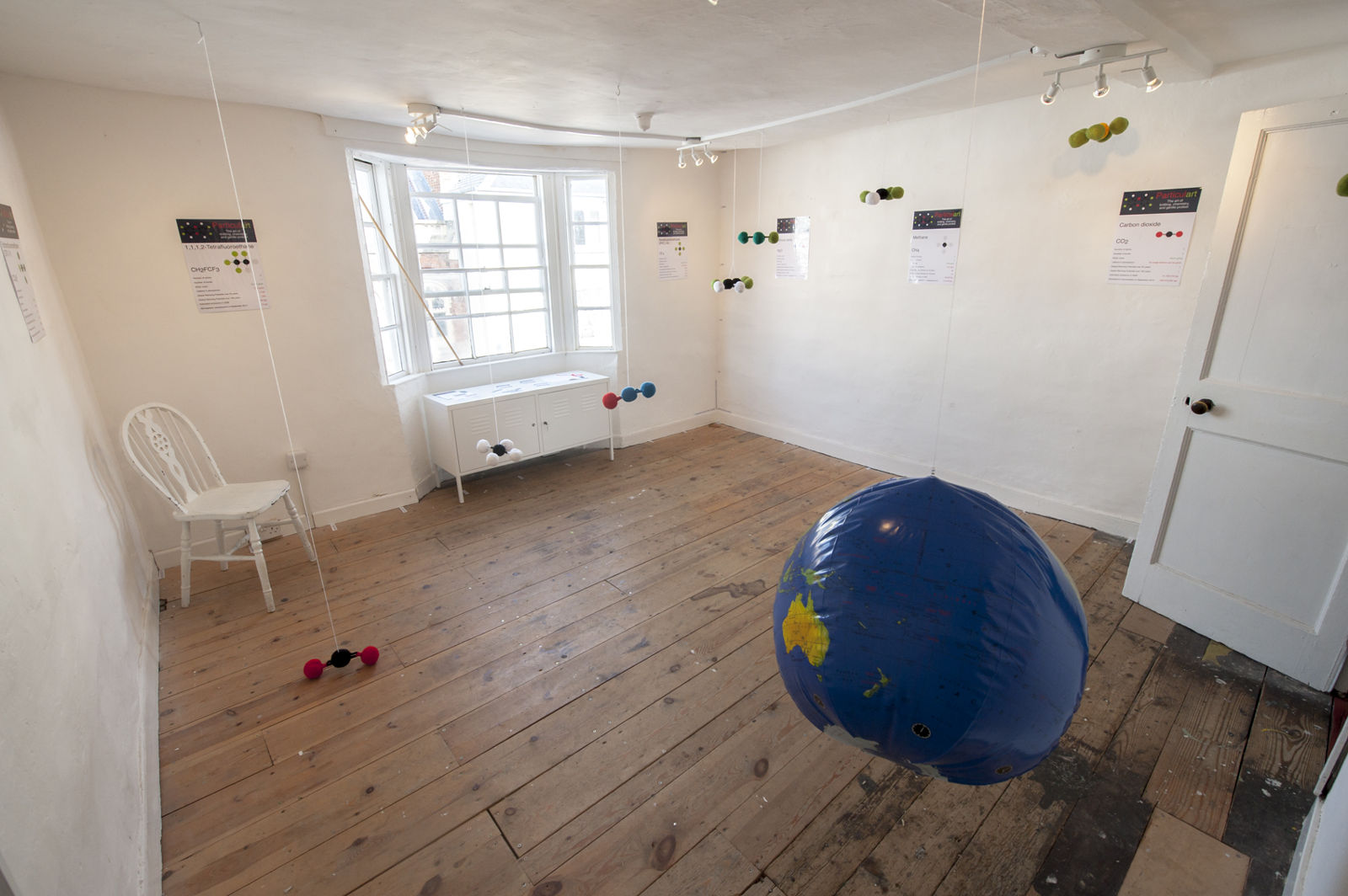
RegenSW asked me to write for its new blog “Power Culture: exploring our energy generation through the arts”. It took me 44 years to learn to follow the energy, so here’s the story of how Particulart sparked and took on its own energy…

I am almost certain that Didcot Power Station’s looming bulk sparked my interest in energy and shaped my environmental interests and career. But I am not the only person which it has sensitised. Many regard it as a blot on the landscape, many others have seen its sculptural appeal. A guest blog for Regen SW.
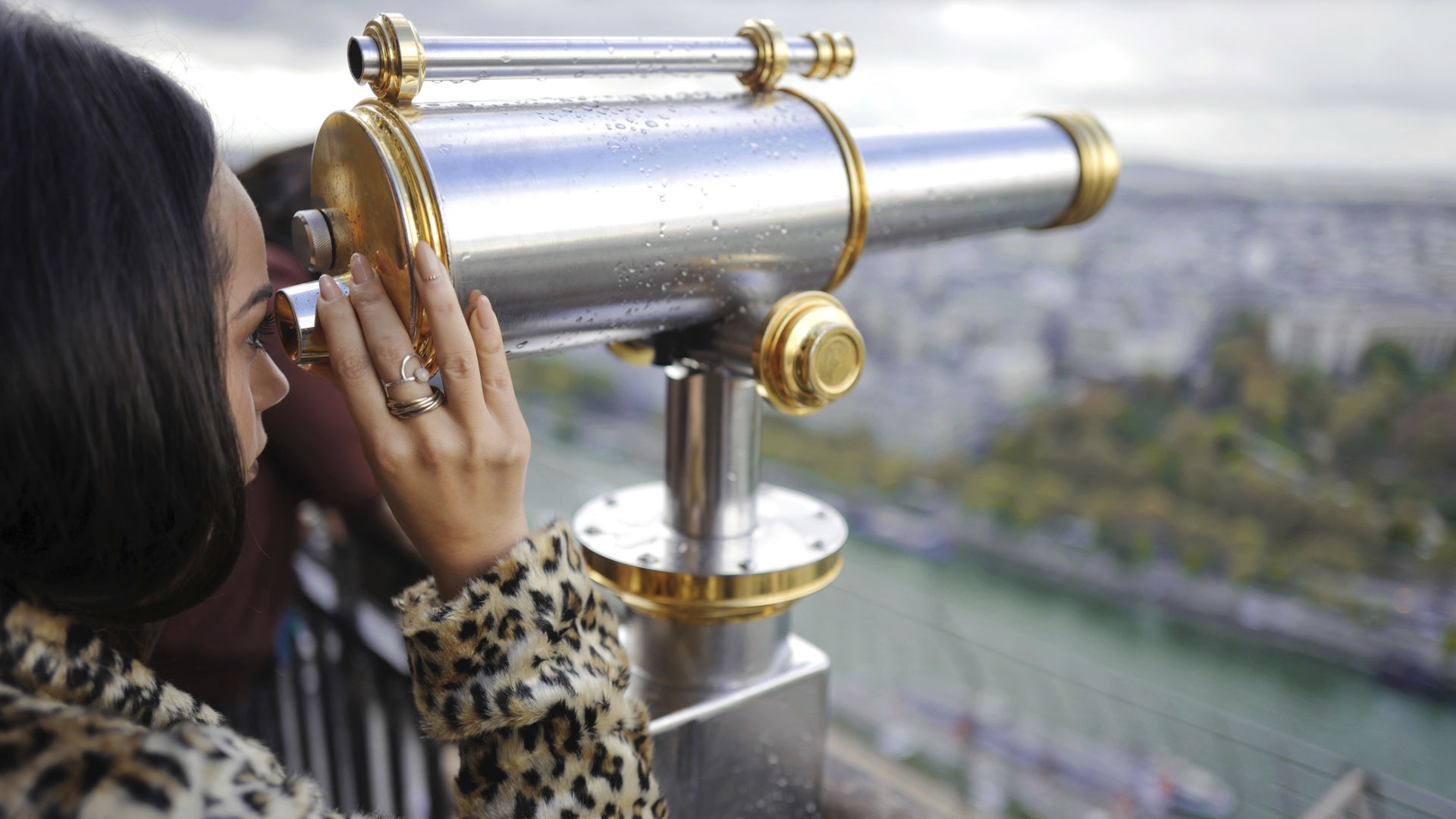
Written for TEDxExeter 2015 “Taking the Long View”: There’s an old African proverb that says “If you want to go quickly, go alone. If you want to go far, go together.” Also a tribute to the wonderful TEDxExeter team.
Written for TEDxExeter 2015 “Taking the Long View”: From Clause 40 in Magna Carta to HIllary Clinton via the suffragists and suffragettes – the long struggle for women’s political rights, and a call to vote on 7 May [sigh].
Written for TEDxExeter 2015 “Taking the Long View”: The short-termism of deforestation, and some hopeful examples of the long view of reafforestation.
Written for TEDxExeter 2015 “Taking the Long View”: The Guardian’s campaign to keep fossil fuels in the ground, a Lenten Carbon Fast; and how I take the long view in my knitting and arts practice.

Didcot Power Station dominated the landscape of my childhood. I am fairly sure that its looming bulk sparked my interest in energy, and possibly shaped my environmental interests and career. It has also generated a surprising level of artistic response.
Written for TEDxExeter 2015 “Taking the Long View”: Taking the literal view of the Long View, a smattering of quite interesting factoids about the origins of the telescope and its name; the transit of Venus and Cook’s voyages; and the Interplanetary Scintillation Array and other more modern telescopes.
Written for TEDxExeter 2015 “Taking the Long View”: The 800th anniversary of Magna Carta was the inspiration behind the 2015 theme. Why we chose that and not the 50th anniversary of the Sound of Music.

During Lent 2015, Eco Church South West is promoting a Carbon Fast, focusing on water. You can sign up to daily emails containing an action, bible reading and reflection. I wrote about rain as a blessing for today’s reflection.

Particulart is all about knitting. It’s also all about the Exeter Incinerator, which was inaugurated on 16th October 2014, and about waste management strategy, and monitoring emissions, and the environment, and health, and transparency, and visual impact, and chemistry.

Today is the Feast of the Presentation of Christ at the Temple, otherwise known as Candlemas. Was establishment of the Feast linked to a volcanic eruption?

I explore where our treasure lies in today’s world for the Bright Now Blog run by Operation Noah.

It’s difficult to choose my cultural highlight of 2014. It has been a good year so far, and it’s not over yet!

The complaint I made to the BBC for refusing to include the Green Party in the general election TV leader debates.
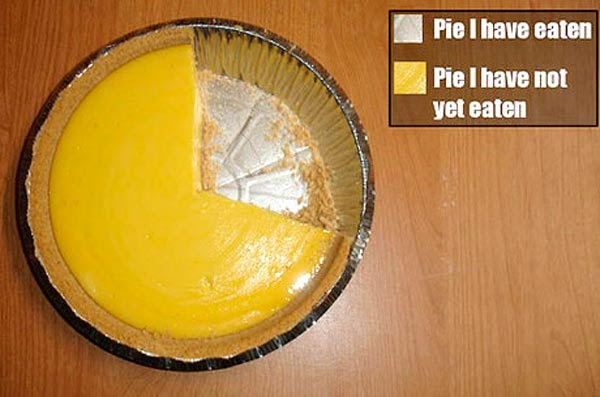
Today is Blog Action Day, and in 2014 the theme is Inequality. I’m afraid I’m going to cheat, and post stuff I’ve written earlier. Some is a bit dated (anyone remember Michael Gove?), but I think the core message is still relevant…

BP has been found “grossly negligent” in the lead-up to the 2010 Deepwater Horizon oil spill in the Gulf of Mexico. I wrote a series of haikus in response to the original event, and other oil-related events past and imagined,

When one hits mid-life, one is obligated to have a crisis, right?
Introducing the TEDxExeter 2015 theme of “Taking the Long View”: asking about the responsibilities the past places on us, and how taking the long view into the future can shape the way we live and the decisions we make.

Written for TEDxExeter 2014 “Ideas Without Frontiers”: Access to the World Wide Web, being overwhelmed, information security, and is Google making us stupid?
Those of you who are avid consumers of all things TED will know that the main TED conference took place last week. One of the many outstanding talks was given by Charmian Gooch, the recipient of the 2014 TED Prize. Gooch founded the organisation Global Witness in 1993 with two friends, one of whom happens … Read more
Written for TEDxExeter 2014 “Ideas Without Frontiers”: The value of focusing attention and how boundaries inspire creativity, as well as pushing the frontiers of knowledge and Interdisciplinary sparks.
Written for TEDxExeter 2014 “Ideas Without Frontiers”: More about the reality of some physical frontiers, while pollutants do not respect national boundaries.
Written for TEDxExeter 2014 “Ideas Without Frontiers”: More about pilgrims than immigrants, and how our planet is bounded whereas our imaginations aren’t.
Written for TEDxExeter 2014 “Ideas Without Frontiers”: Forex flows, international debt, tax avoidance, respiratory illness metaphors, and where there is a frontier that needs dismantling.
“I would ask you to take a walk on your own (where and at what time of day is up to you) for at least half an hour. I would like you to walk ‘as’ the last human survivor of a zombie apocalypse.”

Yesterday was the feast day of St Francis of Assisi, the patron saint of the environment. So it’s appropriate that I spent the afternoon walking with Phil Mythogeography Smith in search of sacred and pseudo-sacred spaces.

Maslow’s hierarchy of needs is 70 years old. Here’s my version reflecting the hierarchy in the UK and US.

A list of the Twitter accounts of Devon County Councillors in Exeter wards.

I have been impressed in recent weeks at the usefulness of Twitter in engaging with councillors and other movers and shakers in and around Exeter City Council. Within limits, though, as you’ll be able to see from my list arranged by political party.

Look up post boxes on the internet, and you stumble into a strange and fascinating place.

Finally, on 3 September I received a letter dated 21 August in response to mine of 2 August. But I have some comments…
Written for TEDxExeter 2013 “Living the Questions”: Just a bit of humour…
I have a dream of a mix of local retail, local business, charities and social entrepreneurs, artists’ studios and housing.
I’ve not yet received a direct response from Hugo Swire MP to my letter about the family from Clyst St George needing to walk 11 miles to Exeter Foodbank and back.

How we name our streets and public buildings is a reflection of the values of history and our values today. It subconsciously and subtly affects our self-worth.
How is it that in a country as wealthy as the UK, more than 500,000 people are reliant on food parcels? Please represent your constituents, and do something to address food poverty, injustice and inequality.

It was a hot bright day during the 2013 summer heatwave. I approached from below through the gardens recently planted with exotics from even hotter climes. I passed through a circular seating space, an antechamber, through a narrow door into a low and dark space stoppered by light in front and behind, and opened out suddenly into bright height.
Last year, I did the first half of a walk down the 1800s route of Woodwater Lane. I managed the western half as far as the Retail Park, before giving up due to the rain. Exactly one year later, I completed the journey.

OrganicARTS, based at West Town Farm near Ide, has done a lot of work with pottery using clay from the Farm, natural materials and dyes, and it has been an ambition to encourage writers too.

Now is the time when we most need our pollinators, and our pollinators need wildflowers to thrive. So I have been feeling sad over the last few days about the acres of wildflowers in the verges in Exeter that are being strimmed, and took it upon myself to protest a little…

Oh dear, I was writing about Silent Spring by Rachel Carson, then I was writing about modern criticism of the book, then I was writing about environmental regulation vs economic freedom, then I was quoting George Osborne, and it all went downhill from there. But I enjoyed the rant 🙂

In the 3 May edition of the Church Times, Bishop Anthony Priddis wrote an article extolling thorium: “Thorium: it’s green, nuclear, safe”. I have just sent a Letter to the editor in response, questioning his underlying assumptions.

My electricity monitor usefully shows how much I’m using, without me having to dig out the key in order to read the outdoor meter. I also want to know how I best I can use my lovely solar electricity.

It’s impossible and unhealthy to live with heightened anxiety over a long period of time. And scaring people and making them feel guilty are rubbish motivators of behavioural change.
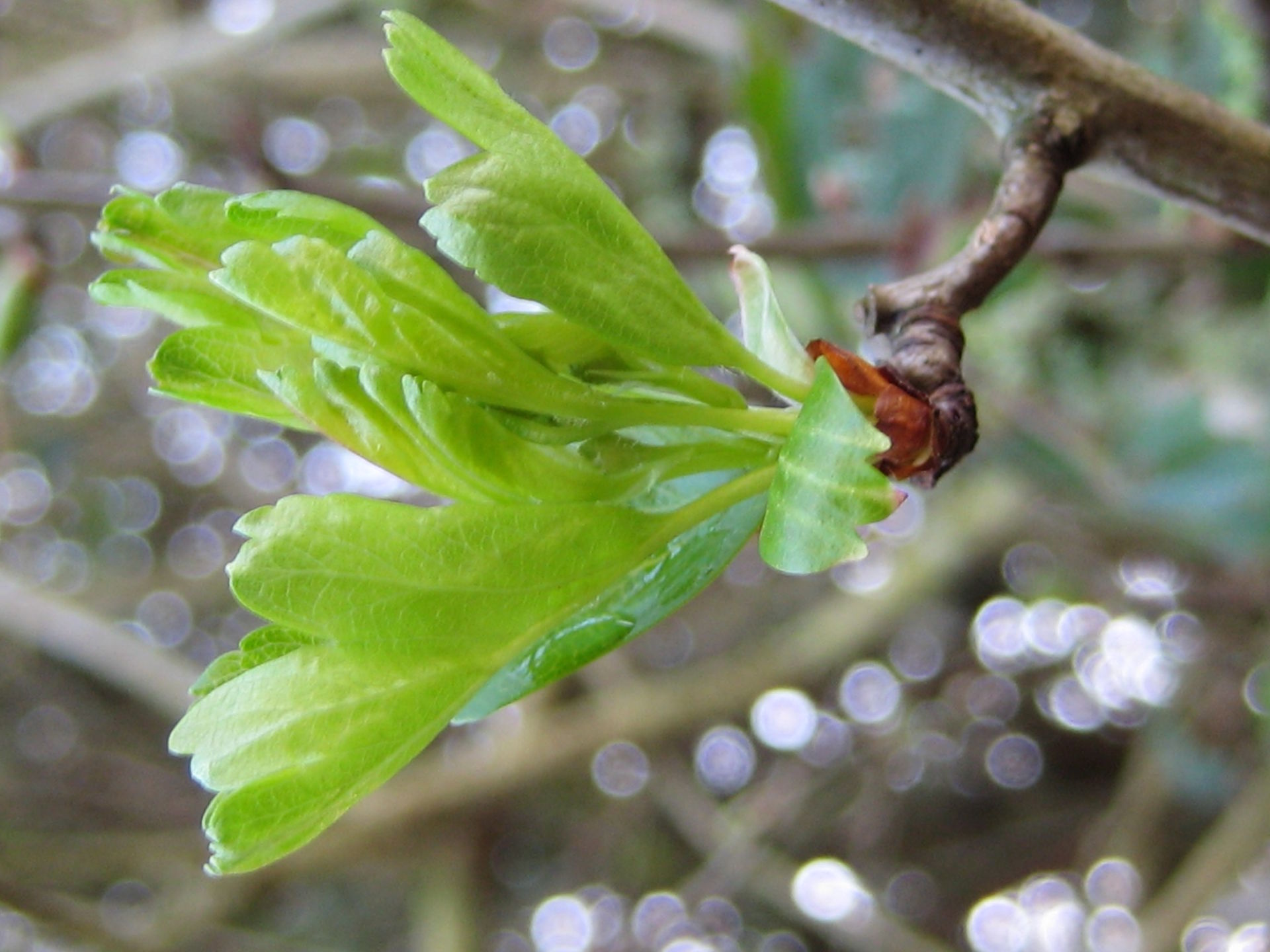
Blackbird perched precariously in pyracantha, picking at plentiful berries. #ventriloquismforbeginners

There are several possible origins for the word ‘religion’ and its modern senses. None of these need imply certainty and rule out doubt. I want to go back to the etymological origins of ‘religion’, and ask a few questions. In the spirit of the TEDxExeter 2013 theme of Living the Questions, I’m not expecting to answer them.
Written for TEDxExeter 2013 “Living the Questions”: Self-explanatory, really.
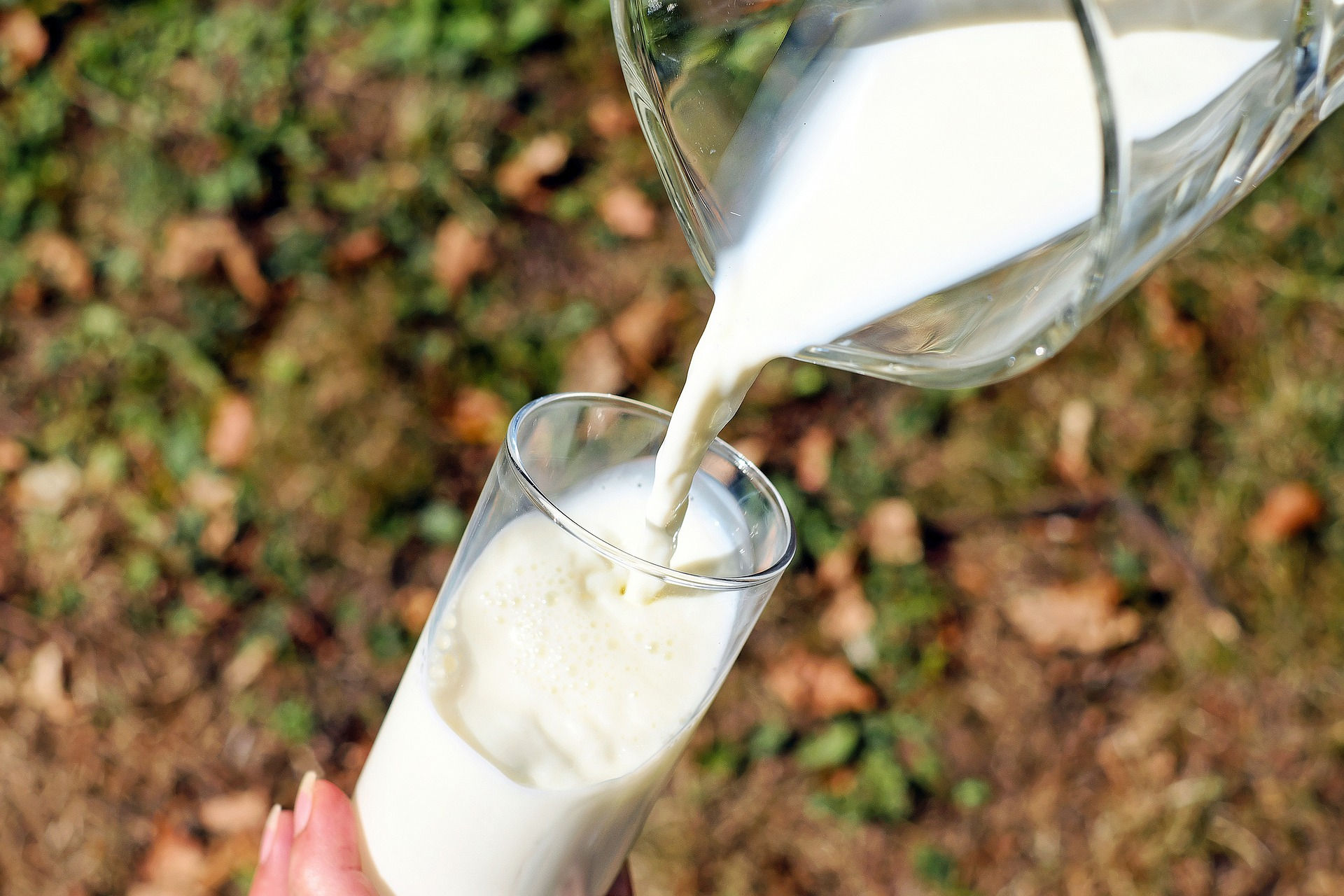
Like many, one of my most vivid memories of infant school was the ritual of drinking our morning third-pint of milk.
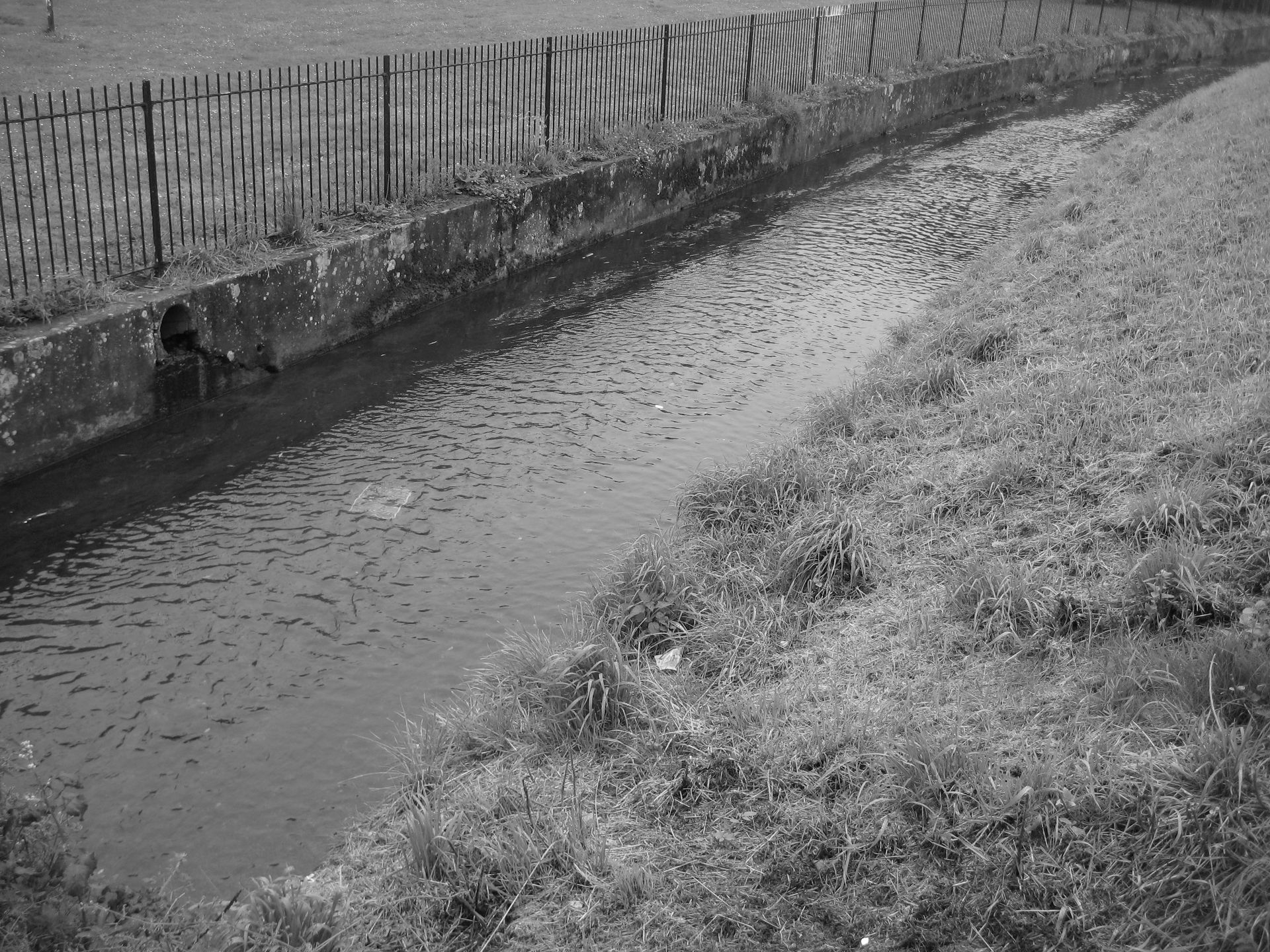
I intended to spend the morning re-reading Annie Dillard’s Pilgrim at Tinker Creek, but instead spent the morning reading around it. So after lunch, I allowed the sun to call me out for a walk down by my very own Tinker Creek that is the Northbrook.
Written for TEDxExeter 2013 “Living the Questions”: Stop trying to solve negative things, and work with positive things instead.
Written for TEDxExeter 2013 “Living the Questions”: “The neurotic is a person who worries about something that did not happen in the past. He’s [sic] not like us normal people who worry about things that will not happen in the future.”
Written for TEDxExeter 2013 “Living the Questions”: Throw away your satnav, experiment with deliberate lostness and reconnect with where you are.
Written for TEDxExeter 2013 “Living the Questions”: You’ll just have to read it.
Written for TEDxExeter 2013 “Living the Questions”: OK, actually about climate change: why Doha was so important, how it has been forgotten, and what you can do.
Written for TEDxExeter 2013 “Living the Questions”: Inequality – estimated, actual, and ideal – and what we can do about it.
Written for TEDxExeter 2013 “Living the Questions”: Allowing Paul Gauguin to ask the questions, and invite contemplation of the meaning of life.
Written for TEDxExeter 2013 “Living the Questions”: Quite possibly one of the world’s best musicians on the street corner, or a myriad other things.
Written for TEDxExeter 2013 “Living the Questions”: Moving from Rayleigh scattering to why children keep asking why, and why many adults stop.
Written for TEDxExeter 2013 “Living the Questions”: Trying not to define myself by my job or any roles, the labels the world would like to slap on me, or any of my mind, emotions or body in isolation from the rest.

The Women Bishops Measure was lost in the House of Laity, by six votes. It might not be a rejection of women bishops, just the enabling legislation, but it sure feels like a rejection to me.

The Great Britain Family Names website allows you to find out where your surname comes from, and how many people share it. Bryden isn’t that common, but what interests me is the geographical spread.

Blog Action Day falls within Congo Week, and “The Power of We” is beautifully exemplified by the Congo Calling campaign.
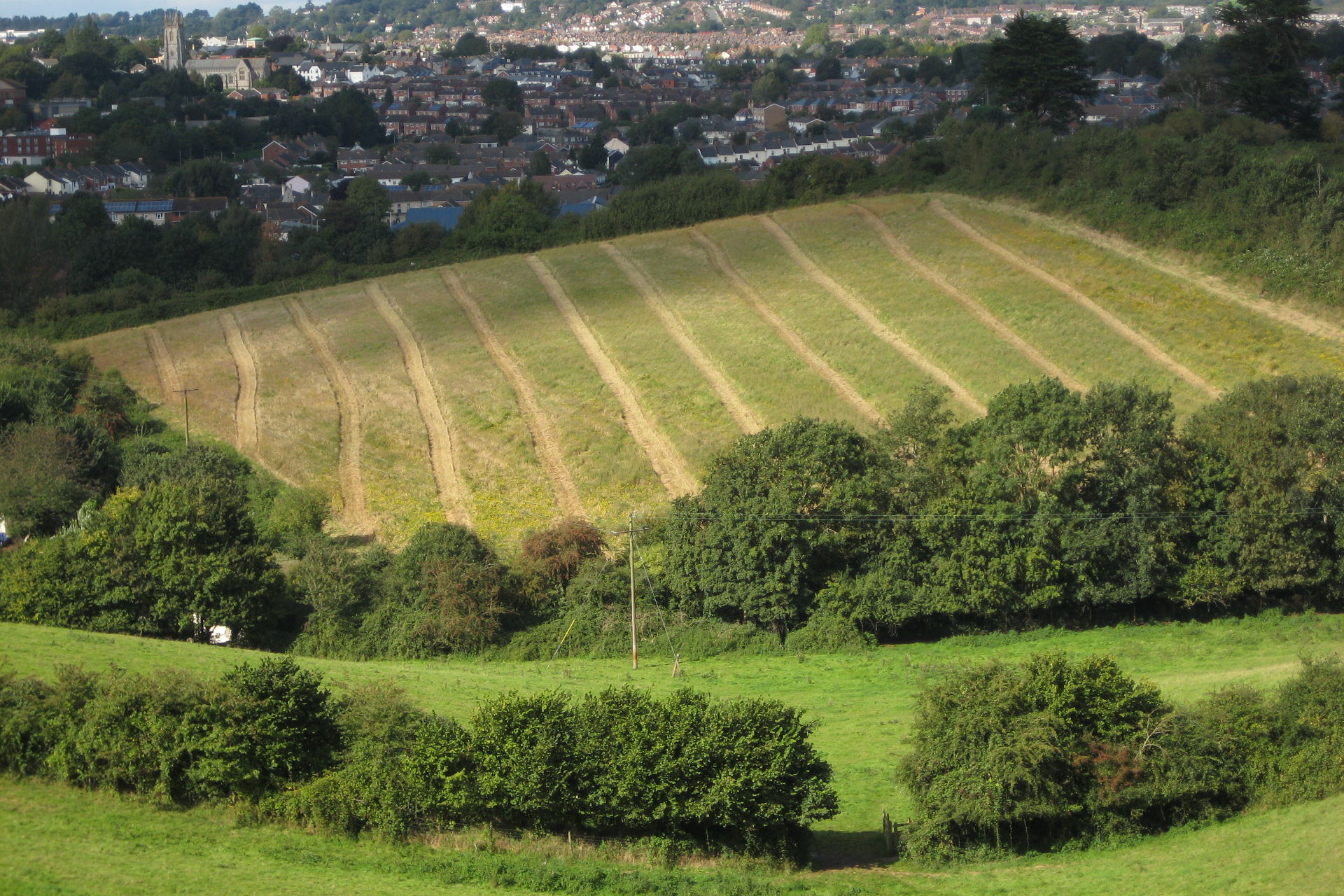
Brueggemann: “the yearning for land is always a serious historical enterprise concerned with historical power and belonging. Such a dimension is clearly played upon by the suburban and exurban real estate ads that appeal to that rapacious hunger.”

There’s a rowan tree planted beside the bus stop on Grecian Way, and this autumn it’s laden with bright red berries.
In honour of Silent Spring, I spent two hours wandering around my neighbourhood and listening. Listening not just for birds, but for everything, including all those sounds we usually tune out.
Today is the 50th anniversary of the publication of Rachel Carson’s Silent Spring. In its honour, I am spending a couple of hours walking around my neighbourhood listening for bird song. In the meantime, here are three short posts I wrote a year and a half ago, reflecting on the book.
Today was the first time ever, at least for years, that I’ve seen another deliberate blackberrier in Ludwell Valley Park.
It was late afternoon when I walked down to Ludwell Valley Park to pick blackberries. I’d just started, around a kink in the hedge and mostly hidden from the gate, when I heard lads’ voices.
A response to Rebecca Solnit’s A Field Guide to Getting Lost and the BBC programme A History of Art in Three Colours, Blue.

The house martins were gathering and sporting on the wing, prior to departure for warmer climes, and Mark Lane from Wilderness Guide kindly popped over to see what plants we could find in Woodwater Lane in September.

Malbork Castle in Poland, built in the mediaeval period by the Teutonic Knights, is the largest castle in the world by surface area, and the largest brick building in Europe. I visited with a friend in 1992.

I cycled to the dog-walkers’ field above Ludwell Valley Park. I found blackberries. I picked blackberries. I cycled home. I made blackberry water ice.

A response to Phil Smith Mythogeography: a Guide to Walking Sideways.

Sometimes the mystery and the not-knowing are more satisfying and enjoyable than solution.
I’ve always had a problem with buses. Mythogeography tells me to get on a random bus, and see where it takes me for a set number of stops. But I’m able to end up here there and everywhere, even when I’m just trying to get home.
I was away from Exeter for a couple of weeks, and when I returned (though I returned) I remained absent. It was several days before I remembered it was ‘high summer’ and there was free fruit to be had in Ludwell Valley Park and along the suburban margins.

Much of the stone used to build St Loyes Chapel looks as though it came from Heavitree Quarry, but there were many other types of stone there.

When did the Heavitree quarries stop being worked? The old maps provide some evidence.

Maybe I just wanted to be a mythogeographer when I grew up.
Seeing the stone in St Loyes Chapel made me want to walk back up Quarry Lane and look for evidence of the quarry.

It’s a pleasant little segment in Rifford Road, set in a garden surrounded with metal railings. There is a bus-stop in front, and it is very ease to miss St Loyes Chapel altogether if you don’t know it is there.

Once upon a time I saw a very old OS map of Exeter in the Treasures of the British Library exhibition. Now through the miracle of Google, I know that it was the Drawing for the first edition Ordnance Survey map of Exeter. 1801 Maps OSD 40.(3).

In Schrödinger’s famous thought experiment, there is no way of knowing the state of the system without opening the box. Hence to the outside observer the cat is both living and dead, smeared out in equal parts.
I spent a day immured in the office at the computer, feeling wintry-cold while it rained and rained. By night-time, I was completely frowstie at being stuck indoors. As the rain had pretty much dried up, I decided on some mythogeography. Going for walks at odd times, like 10.30pm, follows mythogeographical principles, after all.

I found this marvellous book from 1892 in the Westcountry Studies Library, now Devon Archives and Local Studies.
As a birthday treat, I promised myself a walk down Woodwater Lane, from home to water to wood to home again. A satisfying experimentation in exploring the present day.

Yesterday, cycling down a section of Woodwater Lane, I noticed a corn cockle in the bank. It struck me that I have cycled down the lane many a time, walked down it occasionally, picked blackberries at that time of year, but I have never really paid attention to it.

It was a happy accident that the house I bought when I moved to Exeter is very close to Ludwell Valley Park. It is my slice of countryside in the city, where I can wander down enclosed lanes, through fields of nodding purple grasses.

I find writing a blog slightly weird. Well, not so much writing it, as thinking about who’s reading it. Something strikes me, I write a post and publish it. I’m just writing about stuff that interests me. It’s weird to think that this might interest other people as well.

I’ve been watching some of the highlights of the Euro2012 football tournament. The online clips, at least on the BBC website, all start with the flowery Euro2012 logo and a burst of five notes ba-da-ba-bup-ba.
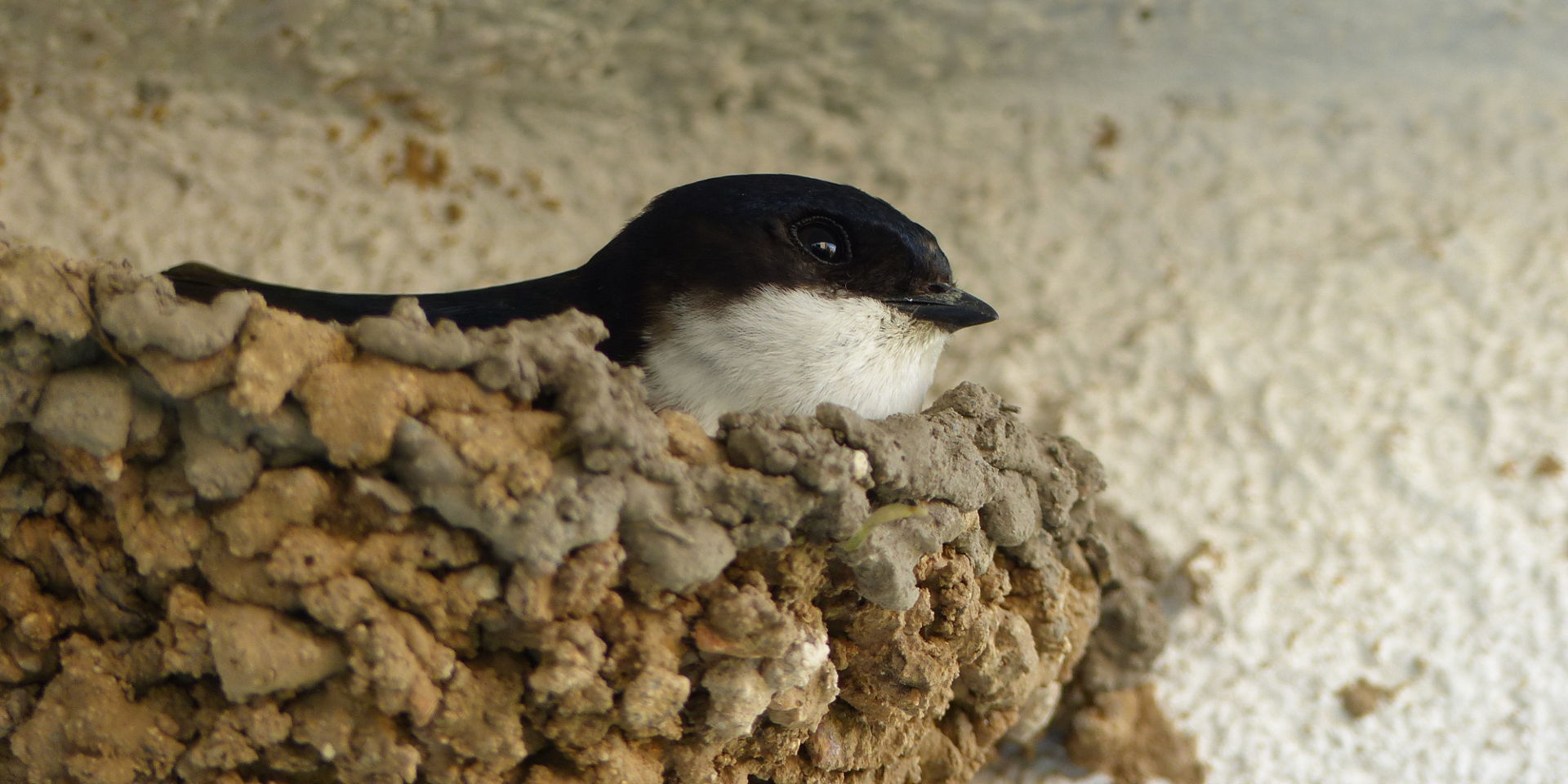
This week I am happy because “my” house martins have returned. It happened on Tuesday. As I was sitting at my desk, suddenly there was a rush of gurgling and chuckling, and I looked out of my window to see madcap aerobatics.

My post responding to Andy Robertson’s TEDxExeter talk was cut off. Here’s what I can remember of the rest.
At TEDxExeter the talk I found the most difficult was Andy Robertson about “Sustainable Perspectives on Video Games”. But for that reason, it was the talk I thought I most had to re-watch and engage with.

Narnia is by no means a fairy fantasy land. CS Lewis’ stories include powerful myth, in the sense of narrative telling a deeper truth. Totnes is the cradle of the Transition movement, another powerful story.

“We need to be able to see the cause of our problems in the landscapes of our lives”, because “it’s pictures that helps stories come alive”.

Last night, I heard Ben Bradshaw, MP for Exeter, speak about “The Church and Civil Partnerships”. He prefaced his talk with some science. But people don’t believe what they believe because of the science.
Written for TEDxExeter 2012 on “Sustainability and Our Interconnected World”: Ten challenges, which if you accomplish them, would help make Exeter a more sustainable city.
Written for TEDxExeter 2012 on “Sustainability and Our Interconnected World”: Volunteer your time to help some-one else get online and discover the web.
Written for TEDxExeter 2012 on “Sustainability and Our Interconnected World”: “Research has shown that people who volunteer often live longer”, and here are some tips…
Written for TEDxExeter 2012 on “Sustainability and Our Interconnected World”: Crowd-funding targeted at community energy.
Written for TEDxExeter 2012 on “Sustainability and Our Interconnected World”: Crowd-funding, or the ‘big society’ in action.
Written for TEDxExeter 2012 on “Sustainability and Our Interconnected World”: Signing up to lending and borrowing within a local network.

On the day that the government lost its Feed-In Tariff appeal in the Court of Appeal, the guys from Sungift Solar started to install PVs on my house.
Written for TEDxExeter 2012 on “Sustainability and Our Interconnected World”: Neighbourhood sharing networks, enabling lending and borrowing of everyday objects, skills and spaces.
Written for TEDxExeter 2012 on “Sustainability and Our Interconnected World”: Why not share your journey to TEDxExeter, and share your hopes for the day on the way there, and what most uplifted you on the way back?
Written for TEDxExeter 2012 on “Sustainability and Our Interconnected World”: Another website that connects people who have a desire to act.
Written for TEDxExeter 2012 on “Sustainability and Our Interconnected World”: More and more websites are being developed that are enabling people to share and work together. And the best are bringing people together in real life too.
Written for TEDxExeter 2012 on “Sustainability and Our Interconnected World”: Exeter’s history is threaded through with interconnections, from local to international.
Written for TEDxExeter 2012 on “Sustainability and Our Interconnected World”: There are some great community growing projects in and around Exeter.
Written for TEDxExeter 2012 on “Sustainability and Our Interconnected World”: Connecting people who want to grow food but have no land with people who have land to share.
Written for TEDxExeter 2012 on “Sustainability and Our Interconnected World”: How Local Exchange Trading Schemes can help you simplify your lifestyle, while connecting with your neighbours and local community.
Written for TEDxExeter 2012 on “Sustainability and Our Interconnected World”: More and more websites are being developed that are enabling people to connect with each other. And the best are bringing people together in real life too.
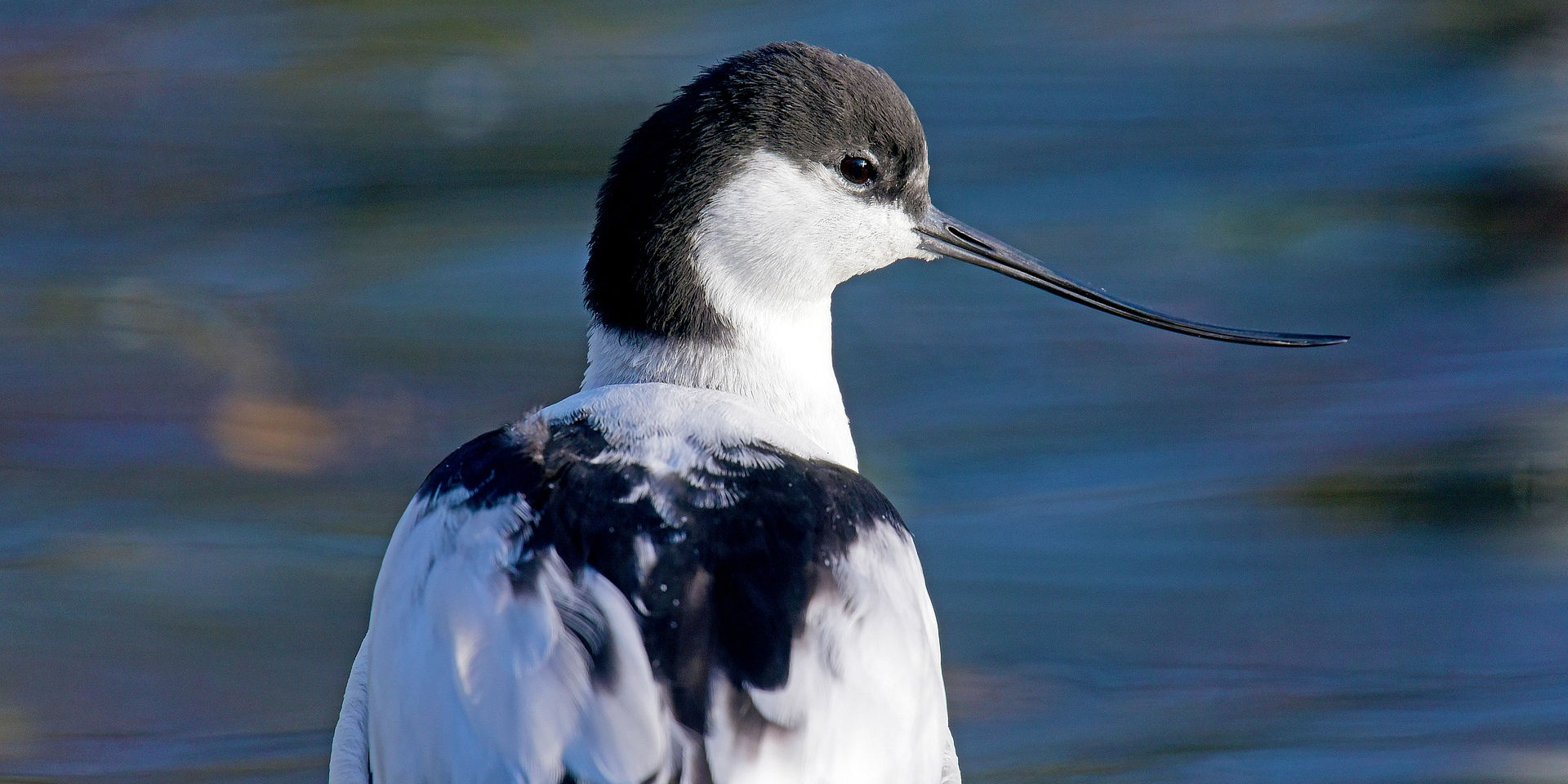
Evening meal; lunchtime walk around the Exminster Marshes, and the Exe Canal and Estuary around the Turf Hotel and Topsham
The monastic practice of lectio divina allows us to open ourselves to God’s word. It can be loosely translated as ‘spiritual reading’, but does not just involve reading.
I am pretty well read, in theory. In practice, I remember very little of what I’ve read. I read quite quickly, but even if I read slowly I still wouldn’t remember what I’ve read. Which means that I often get the pleasure of reading a good book twice, and I can appreciate the journey again.

On 29 September, Phil Hammond, the then Transport Secretary, proposed increasing the speed limit on motorways to 80mph. We may as well, mayn’t we? After all, Department for Transport figures show that as many as 49% of drivers currently flout the current 70mph limit.
The Tories dropped the Big Society into their 2010 Manifesto, but have never explained satisfactorily what they meant. Here are some possible interpretations…

People don’t make decisions based on rational assessment of facts; they make decisions according to how they fit with their values and identity. Psychologists classify values as either extrinsic, which concern status and success, or intrinsic, which concern relationships and benevolence. How can we make intrinsic values go viral?

Thoughts around the L of the LOAF principles – Local, Animal friendly, Organic, Fairtrade – and how you apply these principles when confronted by a bewildering array of choices.
It will probably be about things that interest me, related to my ponderings on where next… research? consultancy? kitchen gardening? writing? web design?

Forget dendrochronology, there’s a new compound -ology in town: astroseismology.

A poem inspired by Iona, and commended in Earthing Faith’s “Inspired by Creation” competition, October 2010.

An experiment in a geo-located poem, August 2010.
Poem published in Poetry Scotland, Late Spring 2010.

Clare Bryden. Climate Change, a new prophetic ministry for Anglican Religious? Mucknell Abbey, March 2010.
“The world’s faith communities are among the oldest and most enduring of institutions. You can, and do, inspire people to change. As we take the final steps on our journey to Copenhagen, that inspiration is critical.” — UN Secretary General Ban Ki Moon.

The stories coming out of Copenhagen and its aftermath led me to grieve business as usual, and start to imagine a new world.

Papers and articles written as part of my work at the Met Office during 2005-07 on health forecasting and anticipatory care, and accepted by peer-review for publication.
Abstracts written as part of my work at the Met Office during 2005-07 on health forecasting and anticipatory care, and accepted by peer-review for conference posters or talks.
Paper written as part of my work at Cambridge Econometrics during 1992-95 on achieving climate targets through fiscal policy, and accepted by peer-review for publication.