
“and in another thirty”
“But as for what was sown on good soil, this is the one who hears the word and understands it, who indeed bears fruit and yields, in one case a hundredfold, in another sixty, and in another thirty.”
“But as for what was sown on good soil, this is the one who hears the word and understands it, who indeed bears fruit and yields, in one case a hundredfold, in another sixty, and in another thirty.”

Since April 2020 I have been hosting a Lectio Divina group, one beautiful outcome of the Covid lockdowns.

I’m wondering. Who is the man? Who is the gardener? And why hasn’t the gardener been doing his job for three years?

For three years I wrote a series of articles for Exeter Cathedral, introducing contemplative prayer as a way deepening our relationship with God.
Some notes on running a book group reading “Befriending Silence” by Carl McColman, sharing and reflecting on insights that are helpful for in practising prayer and living the spiritual life.

Or are we asking the wrong questions? For one of the points of contemplative prayer is that it has no point, and our goal-oriented and purpose-driven world finds this hard to grasp.

An imaginative meditation on Jesus as he is teaching ‘I will give you rest’.

“Come to the edge. We might fall. Come to the edge. It’s too high! COME TO THE EDGE! And they came, And he pushed, And they flew.” – Christopher Logue

A guided meditation introducing Centring Prayer as taught by Fr Thomas Keating OCSO; for use in groups.

In essence, a prayer journal is a written record of your relationship with God. Putting things down on paper accesses different parts of the brain, and in the hard times, it may remind you of God’s faithfulness.

A guided reflection on the story of Zaccheus meeting Jesus; in the style of Ignatian meditation.

Teach me, my God and King,
In all things Thee to see,
And what I do in anything
To do it as for Thee.
— from The Elixir by George Herbert

A meditation on John 12.1-8, on giving and receiving hospitality; in the style of Lectio Divina; for use in groups.
In his first letter to the Thessalonians, Paul urged his readers to “pray without ceasing” (1 Thess 5.17). So what does this mean?
“Lord Jesus Christ, Son of God, have mercy on me, a sinner.”

An imaginative meditation based on Thomas Merton’s realisation that all people are walking around shining like the sun; for use in groups.
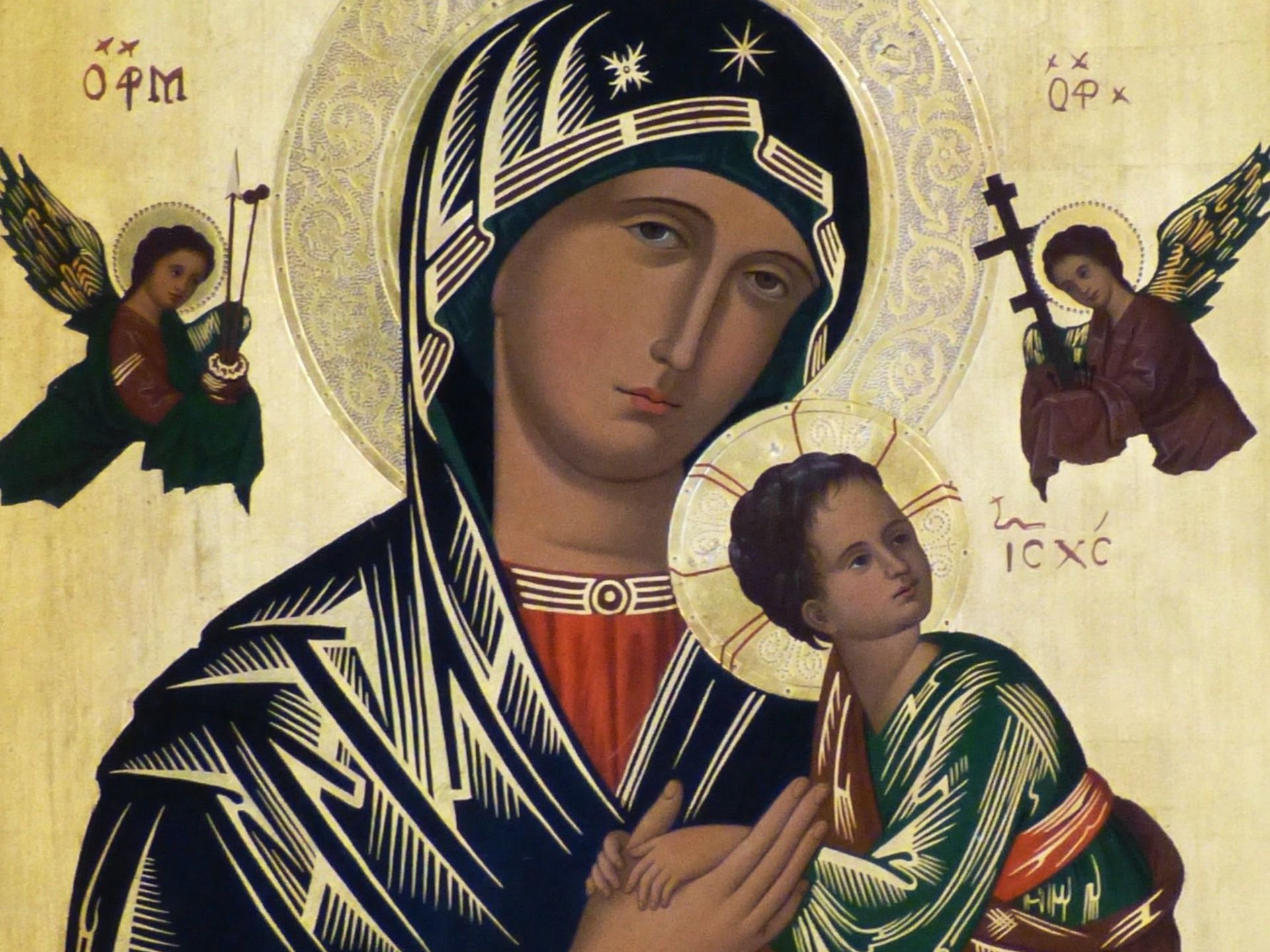
Many icons depict Jesus, or Mary presenting her son, as gazing directly at the pray-er, inviting eye contact as a way into encounter with the person of Jesus.
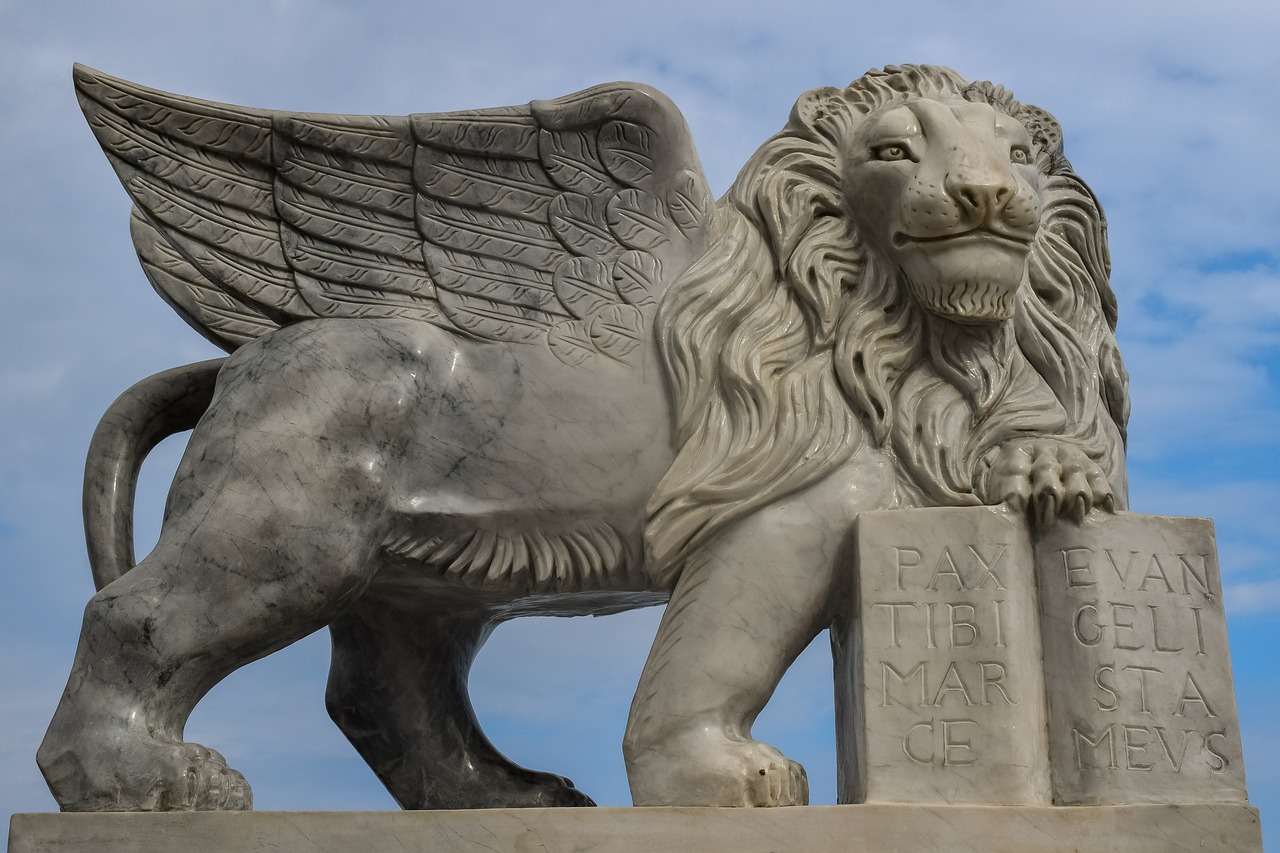
A dramatised reading of of the Gospel according to St Mark created by Professor Chris Bryan and directed by David Gunn-Johnson.

Performance of “On the Holy Mountain” by Andrew Wilson and other vocal and instrumental music, concluding with the ancient close-of-the-day service of Compline. Hosted by Margaret Aagesen Hughes (Soprano) and Clare Bryden (Alto).

Consider your friendship with God. How do you relate to God as you would relate to a friend? What makes a good friendship?
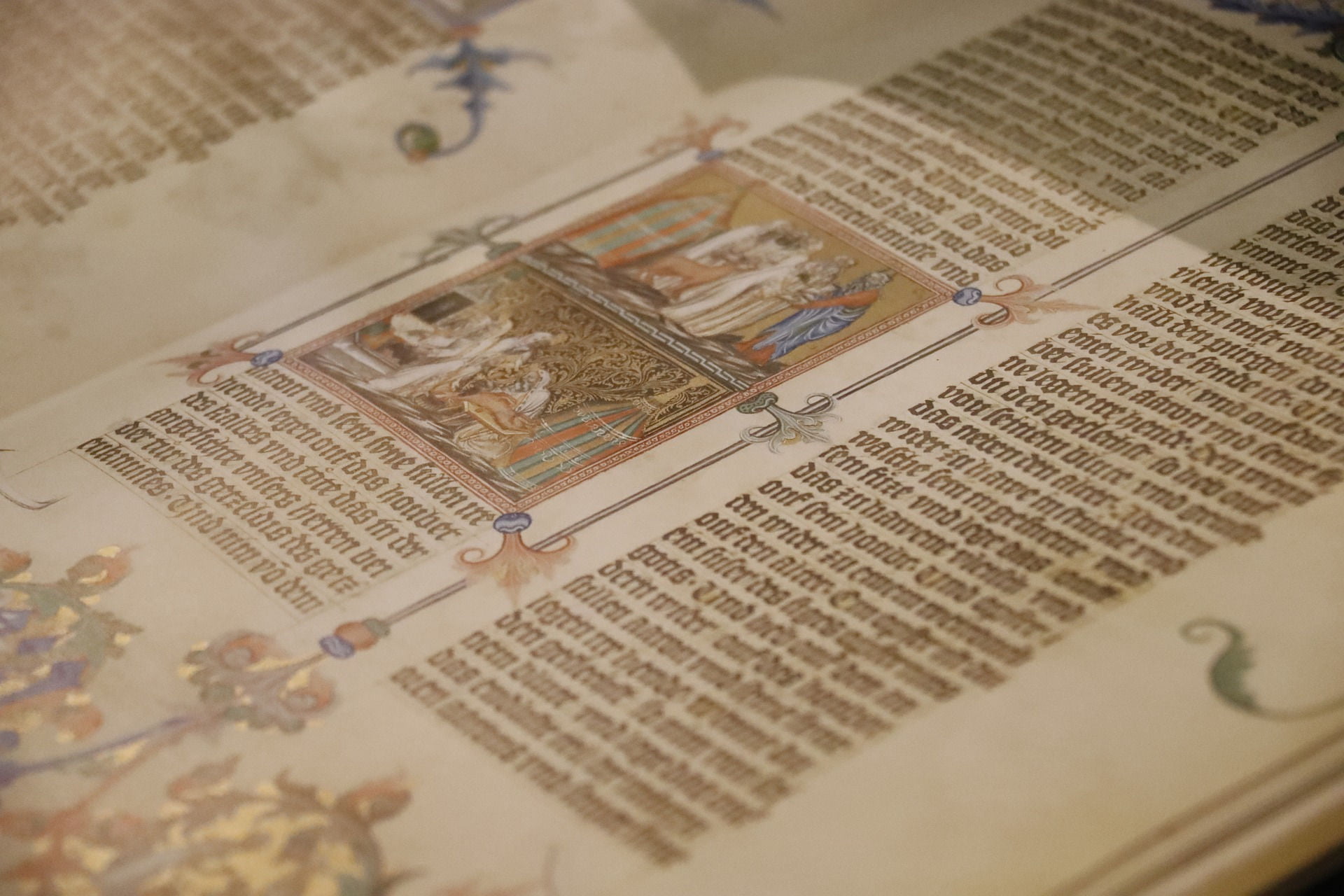
Some notes on running a one-off group reading The Word within the words by Malcolm Guite, including questions for prompting discussion and a guided meditation.

A meditation on “A Lens”, a poem by Malcolm Guite; in the style of Lectio Divina; for use in groups.
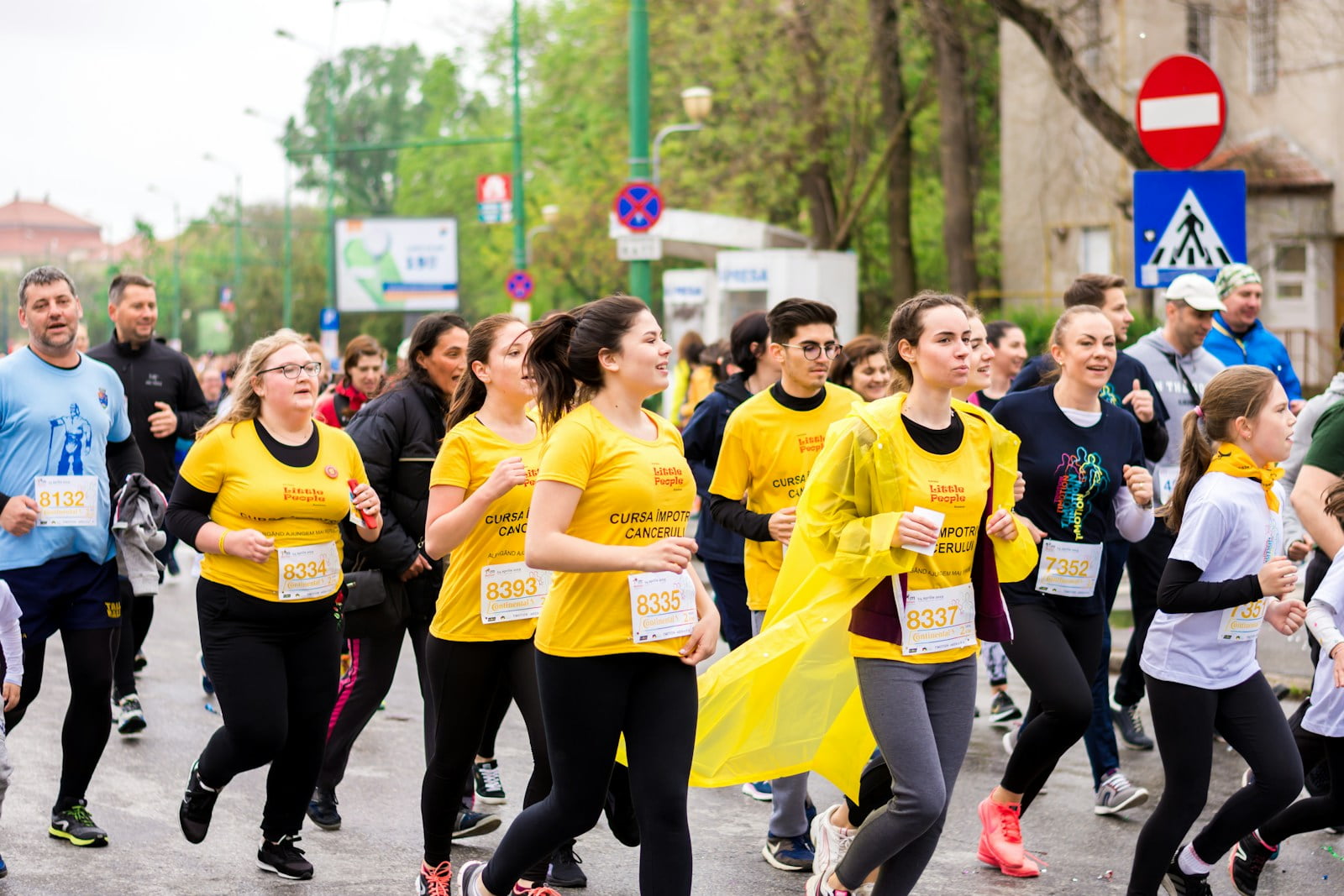
Spiritual Directors or Soul Friends will not finish the race for us. But they will share the journey and help us notice where God is active in our relationship of prayer and in our daily lives.

We are all always beginning in prayer, and always will be. The true experts in prayer have a beginner’s mind, always open to new possibilities.

Some notes on running a book group reading “Encountering the Depths” by Mother Mary Clare SLG, sharing and reflecting on insights that are helpful for going deep in prayer.

Come and Pray was a day-long event at Exeter Cathedral, featuring opportunities to engage in different forms of prayer and worship. It was lovely to play a small part myself, leading a shared Lectio Divina session for anyone who wished to experience a new way of praying with the Bible.

Gratitude reminds us of abundance and leads to an attitude of contentment, interdependence, and respect for Creation and Creator.
An imaginative meditation on Julian of Norwich’s description of her thoughts being led down to the seabed; using the approach of Anthony de Mello in Sadhana; for use in groups.
There are two basic blunders that we can make make in praying for ourselves: to be too demanding; and not to ask at all.

A meditation on Ephesians 4.11-15, on our common mind and growing up in every way into Christ; in the style of Lectio Divina; for use in groups.
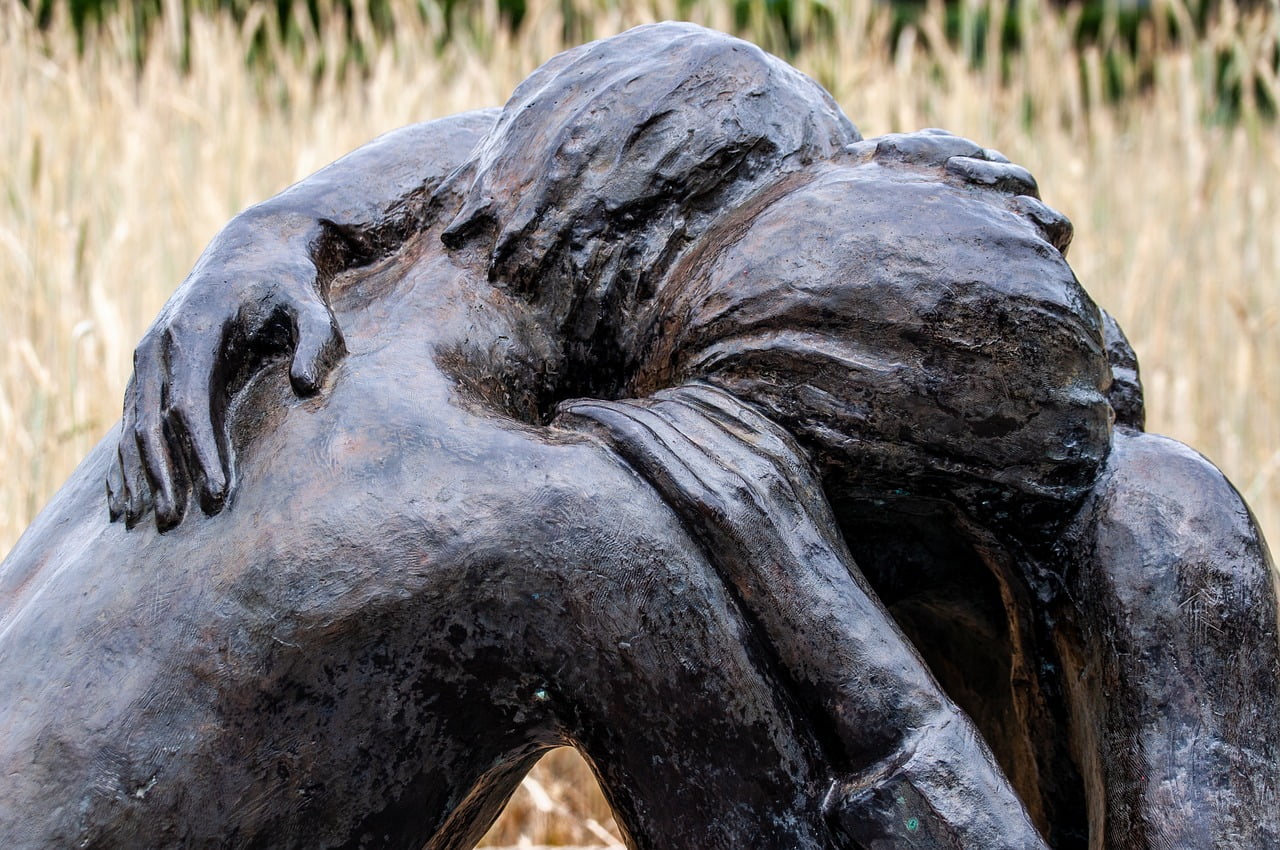
Three (very tentative) understandings of what I am doing in intercession as part of my contemplative practice

A meditation on an excerpt from Encountering the Depths on our co-operation with God in prayer; in the style of Lectio Divina; for use in groups.
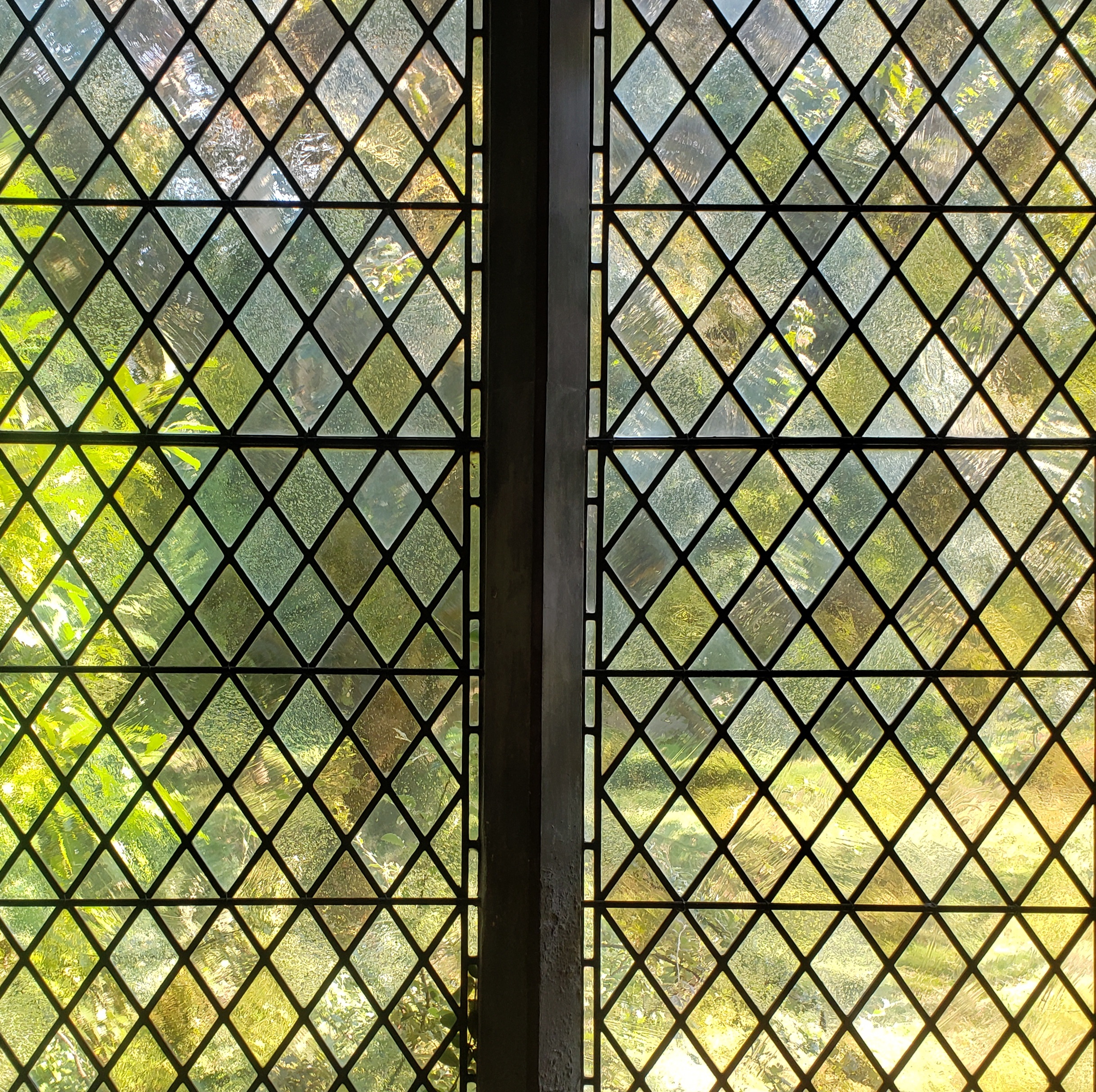
Refuge from the heat. Saturated with silence. Present to my presence.

The slow reading of a picture may be more helpful to those who find it easier to engage visually with the world rather than through words
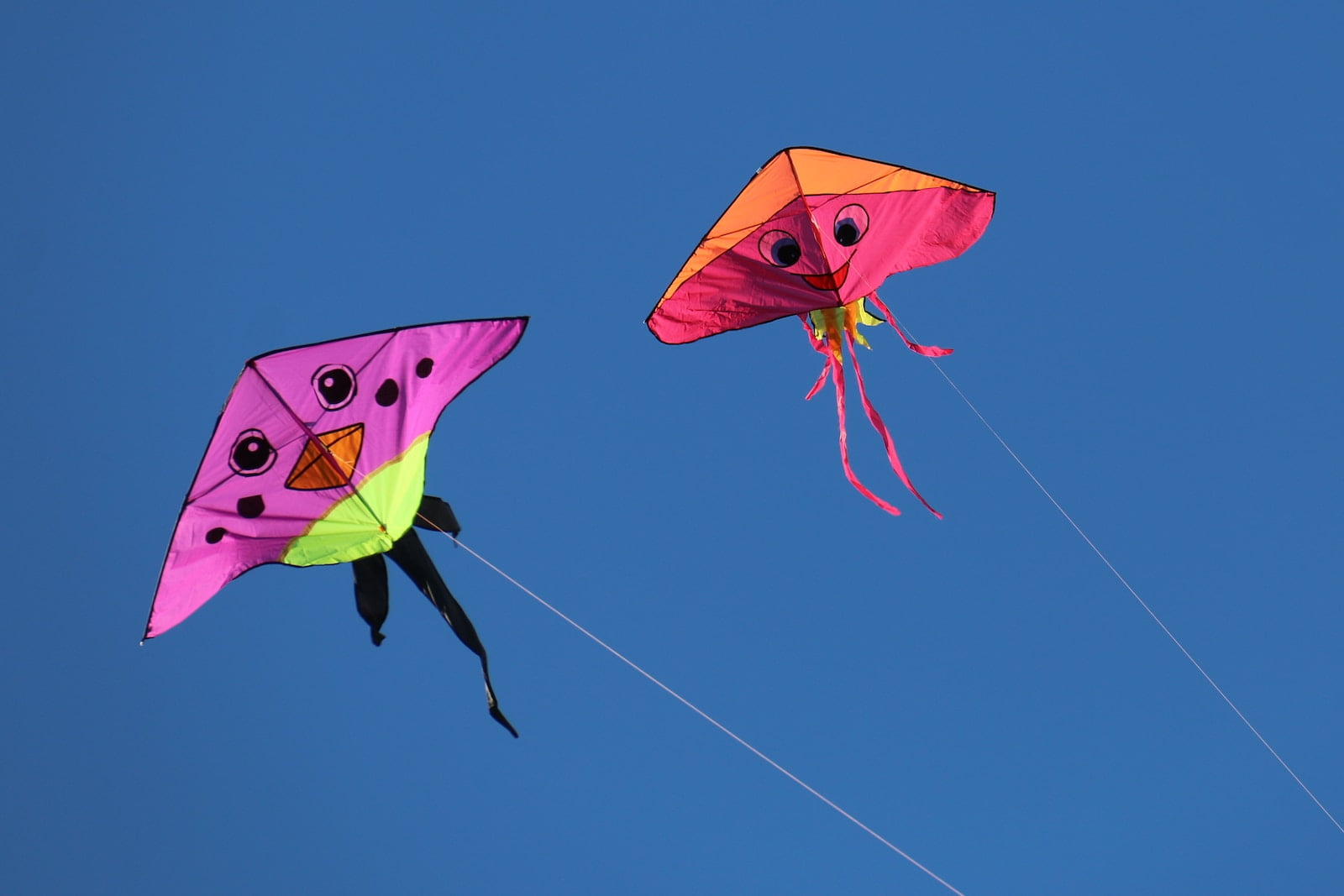
Playful prayer – being light-hearted, spontaneous, simply enjoying God – helps us avoid ‘worthiness’ and ploddery.

A meditation flowing between listening to our breathing, to exterior and interior, and to God; for use in groups.

“Pray as you can and do not try to pray as you can’t. Take yourself as you find yourself: start from that.”

At Kirchentag I learnt a new word: ‘Impuls’… an idea, inspiration, stimulation, or prompt to conversation, action or prayer…

“Prayer is not a technique but a relationship. There is no unfitness, no obstacle, no problem… All anyone can do for us is to keep our eyes on Jesus…”

A meditation on an excerpt from Encountering the Depths on our relationship with God; in the style of Lectio Divina; for use in groups.

As you read scripture or spiritual writing, one saying or word might strike you. Stop and write it out long-hand. Then ask yourself three questions…

Gradually becoming aware that I was surrounded by birdsong, I began to muse and murmur…
As you read scripture or spiritual writing, one saying or word might strike you. Stop and write it out long-hand. Then ask yourself three questions…

“Ask, and it will be given to you; search, and you will find; knock, and the door will be opened for you.” (Matthew 7.7-8; NRSV)

Praying a labyrinth is a journey to the centre. It is akin to walking a winding pilgrim path, taking time to reflect and ponder our interior landscape.

Some notes on running a one-off group reading Awareness by Anthony de Mello, including questions for prompting discussion and a guided meditation (or two).

A meditation using the list of contents in Awareness by Anthony De Mello; in the style of Lectio Divina; for use in groups.
The ancient close-of-the-day service of Compline, with plainchant and polyphony. Hosted by Margaret Aagesen Hughes (Soprano) and Clare Bryden (Alto). Featuring musicians Andrew Maries (Oboe), Sophie Brewer (Flute), Catherine Bradley (Cello), John Draisey (Keyboard) and the music of Andrew Wilson.

The Examen is a way of reflecting prayerfully on your day. It may be a very short prayer, or a period of longer reflection. It may prayed at any time, but is often prayed last thing at night.

The apophatic, or negative, way of prayer starts with the teaching that God is no thing that we can grasp. God is utterly transcendent and beyond every thing that God has made.

Some notes on running a group reading Paula Gooder’s book for Ordinary Time: “Everyday God” over six months, holding a space for the members to reflect on the text and how any insights might help them in their prayer life and spiritual journey.

The Great Os are the antiphons used with the Magnificat at vespers or evensong on the last seven days of Advent. They are the material for the Advent hymn “O Come, O Come Emmanuel”.

The kataphatic, or affirmative, way of prayer seeks to describe God, and to express what or who God is in terms of what God is like, in order to understand and come closer to God.

A meditation on the story of Moses coming down from Mount Sinai with the skin of his face shining after talking with God; in the style of Lectio Divina; for use in groups.

Constraints can be a vital source of creativity. They force us to think and release our imaginations. The form of the Collect is a way to collect our intentions in prayer and arrange them.

For those who want to pray with the Psalms, but find reading them 1,2,3… a bit of a plod, and/or are mystified by the Common Worship Lectionary cycle.

A guided reflection on the story of four friends lowering a paralysed man through the roof to Jesus; in the style of Ignatian meditation.

The Church’s pattern of prayer today is a simplification of the eight-fold monastic daily office associated with Psalm 119 v164 “Seven times a day I praise you” and v62 “At midnight I rise to give you thanks”.

A guided reflection on the parable of the treasure hidden in the field, in different tellings.

I got Greenbelt wrong this year. Not totally – in many ways it was wonderful – but enough to make me wonder: What might I do differently?

Praying with the imagination can be helpful if you have spent time in study and want to deepen your encounter with scripture, or if you struggle with the Bible’s content and want a different way in.

In therapy, the reflective question “How do you feel about that?” has become a cliché. But there are reasons for that: it is open-ended while not being leading.
An imaginative meditation on God as potter; using the approach of Anthony de Mello in Sadhana; for use in groups.
Regular Bible reading and study gives us breadth of knowledge. Lectio Divina helps us also absorb Scripture at depth.

A meditation on the story of the feeding of the five thousand in John’s Gospel; in the style of Lectio Divina; for use in groups.

The story of Mary and Martha is a well-worn sermon topic. What might I have said if I had been on preaching duty last Sunday evening?

An invitation into encounter, through a guided meditation on the story of Naaman in 2 Kings 5.
Everything is started by a simple “if only” by a young girl. The girl is not named. But she does still have a story – everyone has a story.
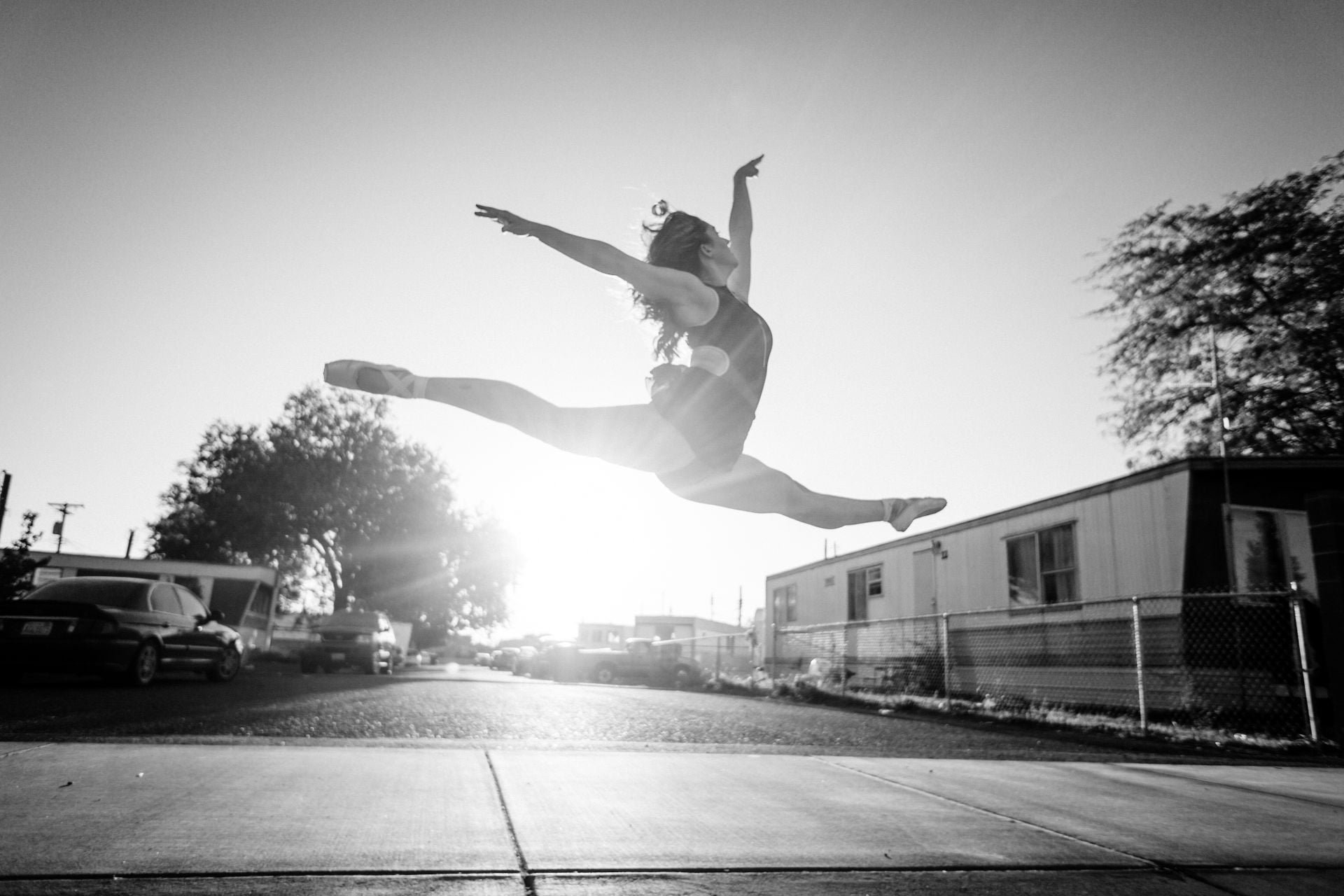
Engaging our body in prayer – praying with the whole person – deepens our attentiveness and enables different intentions in prayer.

A meditation on turning aside to the miracle of the burning bush; in the style of Ignatian meditation; for use in groups.

Can we come close to seeing and scenting a spray of the lily of the valley as God might see it? Hearing the chatter of a treeful of sparrows as God might hear them?
Saturday’s Prayerdle was SMILE, which brought a smile to a friend’s face. So I thought I would write and offer this short meditation.

“Pilgrimage is an opportunity to reflect on the journey of our lives, and on our journey homewards to God.” – Devon Pilgrim guidance on the St Boniface Way

Some notes on running a group reading Maggie Ross, Writing the Icon of the Heart together. Through slow reading, pondering, and sharing our responses and insights, we sought to discern how the Spirit is calling us to deepen our faith and prayer.

“Reading gives God more glory when we get more out of it, when it is a more deeply vital act not only of our intelligence but of our whole personality, absorbed and refreshed in thought, meditation, prayer, or even in the contemplation of God.” – Thomas Merton
Repeating a short phrase over and over can be a helpful way of holding the surface mind’s attention while the soul encounters God in the depths.
A booklet of psalms that can be recited day by day each month, set to simple psalm chants.

The ancient close-of-the-day service of Compline, with plainchant and polyphony. Hosted by Margaret Aagesen Hughes (Soprano) and Clare Bryden (Alto). Featuring the music of Barber, Bach and Pergolesi, and musicians Ruth Molins (Flute), Emma Welton (Violin), John Draisey (organ).

When we enter our prayer time, it is probably not long before we get distracted. But there are preparations we can make and tactics we can employ.

This week I’ve been doing a tiny bit of press for Prayerdle

During February, while the Cathedral is hosting the Museum of the Moon, what might I have preached in the face of this reminder of my finitude?

We often find our attention wandering in prayer, but over the centuries, people well-versed in the practice have developed techniques that can help us.
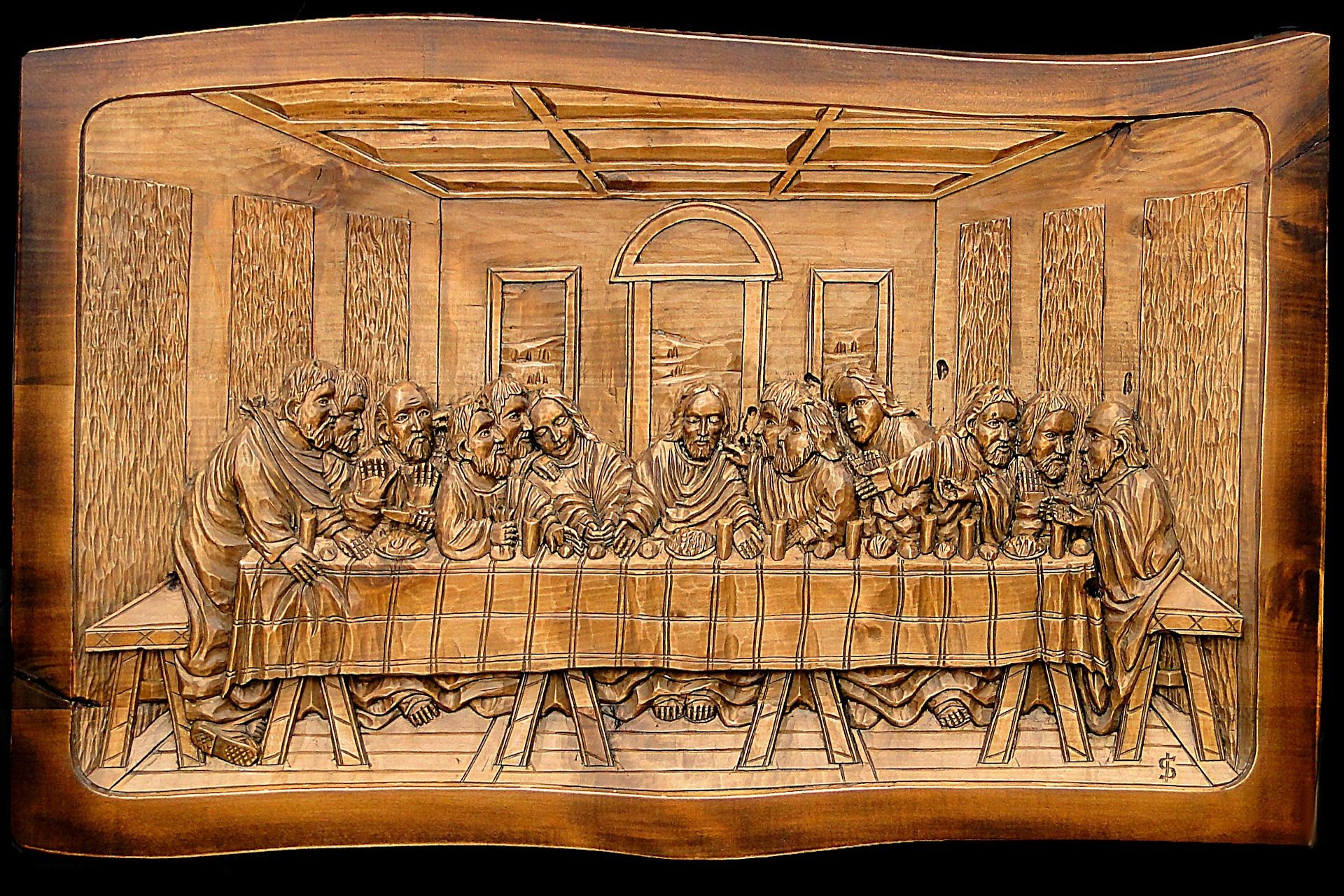
How sitting down among the people was a symbolic or sacramental action that made the Incarnation real.
On Monday I jumped fully onto the Wordle bandwagon and developed Prayerdle
Prayerdle, an off-shoot of Wordle that can help you pray as you go through your day.

How can we make sure we make time for God? Form a habit and find a bridge.

Set off alone and start walking. Find your own space and breathe deeply. Be aware of your own body. Feel your limbs and the ground under your feet.

It is hard going against the flow of today’s culture, and waiting for anything. So it might be helpful to think in terms of waiting on God.

I don’t necessarily articulate in my mind my understanding of an action as my body performs it during the liturgy. I allow that physical action to be my expression of intention and my offering.

You are infinitely loved by God, and God is waiting and longing to be with you. Prayer is simply the expression of our relationship with God.

It is prayer hour in the convent chapel on a sunny summer morning. Dust motes swirl idly in the sun’s rays streaming through the high windows. The chapel is still, apart from a solitary blue bottle.
An invitation into encounter, through a guided meditation on the vignette in Matthew 12.46-50.
Anyone is invited to share in Jesus’ most intimate relationship: his relationship with his “Father in heaven”. Everyone may be a Someone.

Some notes on running a group reading The Cloud together. Through it, we hoped to gain a deeper understanding of prayer and through that to deepen our own prayer lives and relationships with God.

Another in my very irregular series of ‘were I to have preached’… What happens when we look at the two stories of Mary Magdalene at the tomb and Doubting Thomas together?

In this year of quarantine, I have been observing a DIY Lent. I thought it would be wonderful to get together (via Zoom of course) with one or two different friends each week. Both of us bring a poem, or piece of poetic prose, or art, or music to share and reflect on.

There is a bi-i-ig difference between jigsaws and mosaics. Jigsaws have only one correct solution. Mosaic tiles can be pieced together in many different ways…
St Peter’s day on 29 June 2020, Exeter Cathedral held a Psalmathon – reading all 150 Psalms in about 8 hours.
Initially a step into the unknown, group Lectio Divina over Zoom has proved to work extremely well; its very structured format holds open a space for deep encounters with both God and each other.

During the days between Ascension and Pentecost, I found myself ruminating about Exeter Cathedral as building and people, prompted by the lack of access to church buildings during lockdown.

I have been writing some material about prayer for the Cathedral website, in hope that it will help visitors deepen their relationship with God and draw them closer to the community of praying people in the Cathedral.

Wishing you a very Merry Christmas, with love and hope for 2020.

Thy Kingdom Come is a global wave of prayer uniting Christians around the world during the days from Ascension Day to Pentecost. From 30 May to 9 June 2019, Exeter Cathedral is hosting a special prayer room in the Grandisson Chapel tucked into the West Front. Based on the parable of the hidden treasure, I’ve set up a small installation with a small action to help people pray.

O wilderness God, I do not ask to avoid the journey and the struggle. Only help me to trust that you are always beside me holding my hand fast in yours, even when all seems dark and dry, and that you will lead me to a place of refreshment, and blessing at the end. Amen.

The ancient close-of-the-day service of Compline, with plainchant and polyphony. Hosted by Margaret Aagesen Hughes (Soprano) and Clare Bryden (Alto). Featuring the music of Bach, Barber and Saint-Saëns, and musicians Ruth Molins, Sophie Brewer (Flute), Emma Welton (Violin), Catherine Bradley (Cello).
I led this workshop on the ancient monastic practice of Lectio Divina, as part of a Prayer & Spirituality Day at Exeter Cathedral.

This morning in the Cathedral, I got out the mental glasses or hearing aids that I often use while following the readings: I looked and listened for the unnamed and unnoticed characters. My reflections here could be the second in what might turn into a series on ‘were I to have preached’.

Sometimes during the sermon slot, I catch myself thinking about what I might have said if I were up there in that pulpit. This time it would have been about women raising their voices.

There are as many different understandings and types of prayer as there are different people. Here are mine.

Greenbelt is a festival of arts, faith and justice, held over the August Bank Holiday. The programme is huge, so to help me manage it I often choose a theme. This year I didn’t, consciously at any rate, but it became apparent as the weekend unfolded that I’d ringed quite a lot of talks relating to contemplation and action.

Many of my Facebook friends have changed their profile picture to the Arabic letter N. It stands for ‘Nazarene’, or Christian. ISIS is drawing it on the houses of Christians in Iraq, to indicate who to target.

Expectation can be good; having high expectations of students can lead them to do better. People in general tend to live up to or down to expectations. The problem is when the expectations are unrealistic.

What it means to be the people of God, and the Occupy camp on Exeter Cathedral Green.
The monastic practice of lectio divina allows us to open ourselves to God’s word. It can be loosely translated as ‘spiritual reading’, but does not just involve reading.
This evening, I’ve been asked to talk about Prayer, I suppose because I have a practice of contemplative prayer and am about to go and live alongside a monastic community. Trouble is, how do I express the inexpressible? Here is roughly what I want to say.